Golden Triangle tour
4.9 (2,304)
Short on time but eager to see the best of India? Our 3-Day Golden Triangle Tour takes you through three legendary cities — Delhi, Agra, and Jaipur — covering India’s most visited UNESCO World Heritage Sites with total comfort and zero hassle. You travel in a private, air-conditioned car with a professional driver the entire time, so there is no need to figure out public transit, haggle with local taxi drivers, or worry about logistics. A licensed local guide meets you at each city to bring history to life in a way that goes far beyond memorized facts.
Whether you are squeezing in sightseeing between business meetings, exploring India for the first time, or treating yourself to a well-earned cultural break, this tour is designed to be effortless, enriching, and genuinely memorable.

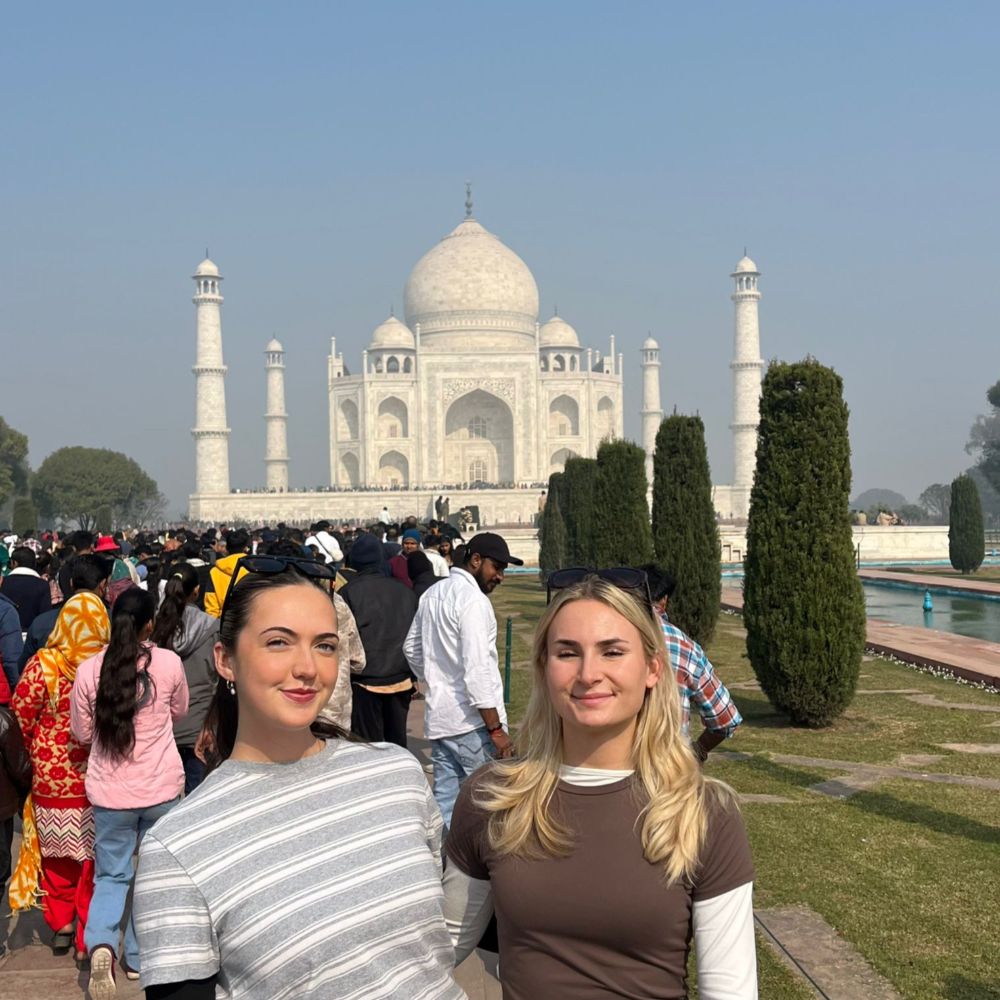
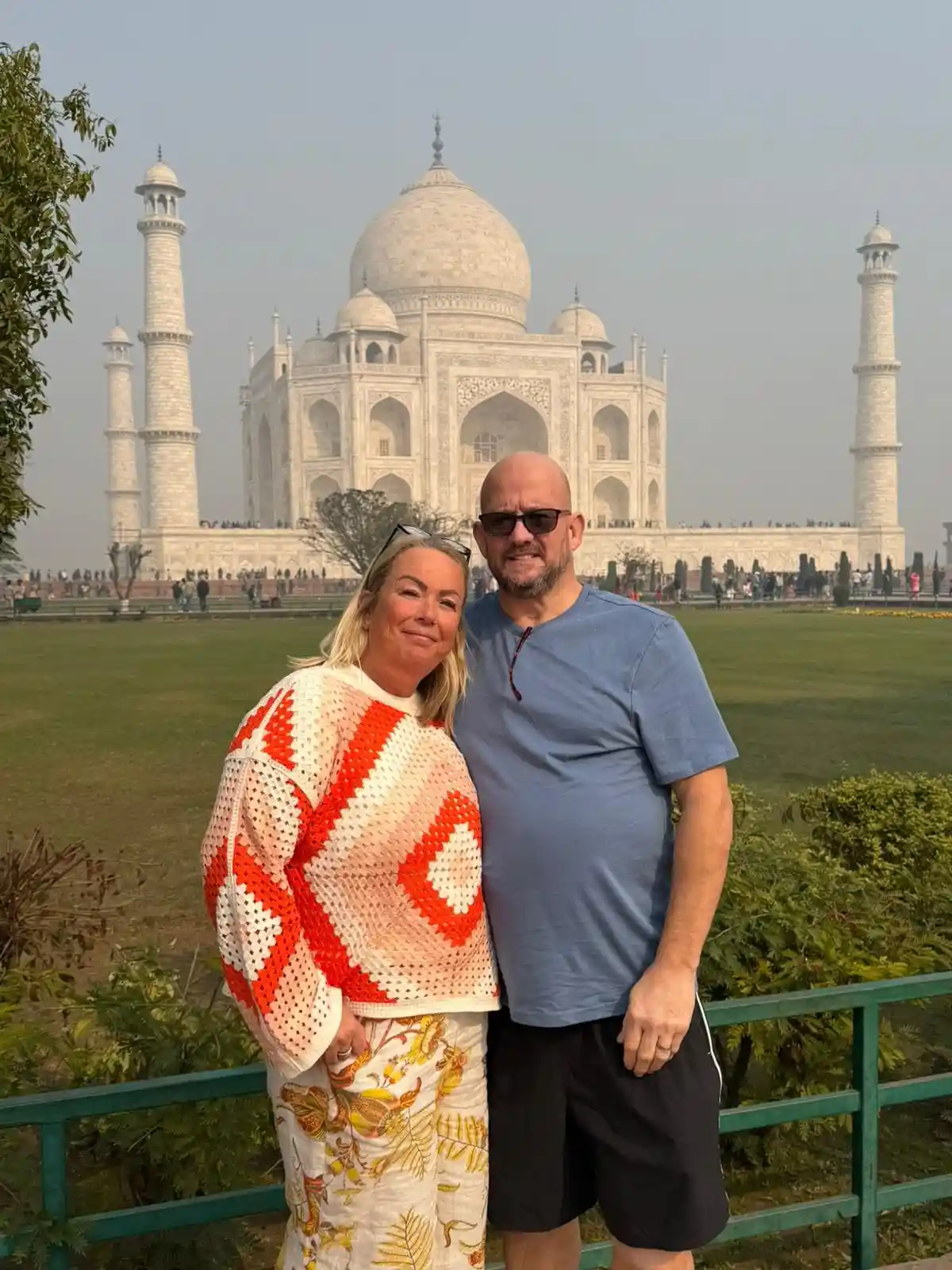
Walk inside the Taj Mahal (the white marble mausoleum) at sunrise — the most breathtaking view of India's most famous monument, built by Emperor Shah Jahan for his beloved wife.
Explore the Agra Fort (Red Fort of Agra), a massive 16th-century red sandstone fortress that served as the main residence of the Mughal emperors for generations
Discover the ghost city of Fatehpur Sikri — a perfectly preserved Mughal capital abandoned over 400 years ago, dedicated to the revered Sufi saint Sheikh Salim Chishti.
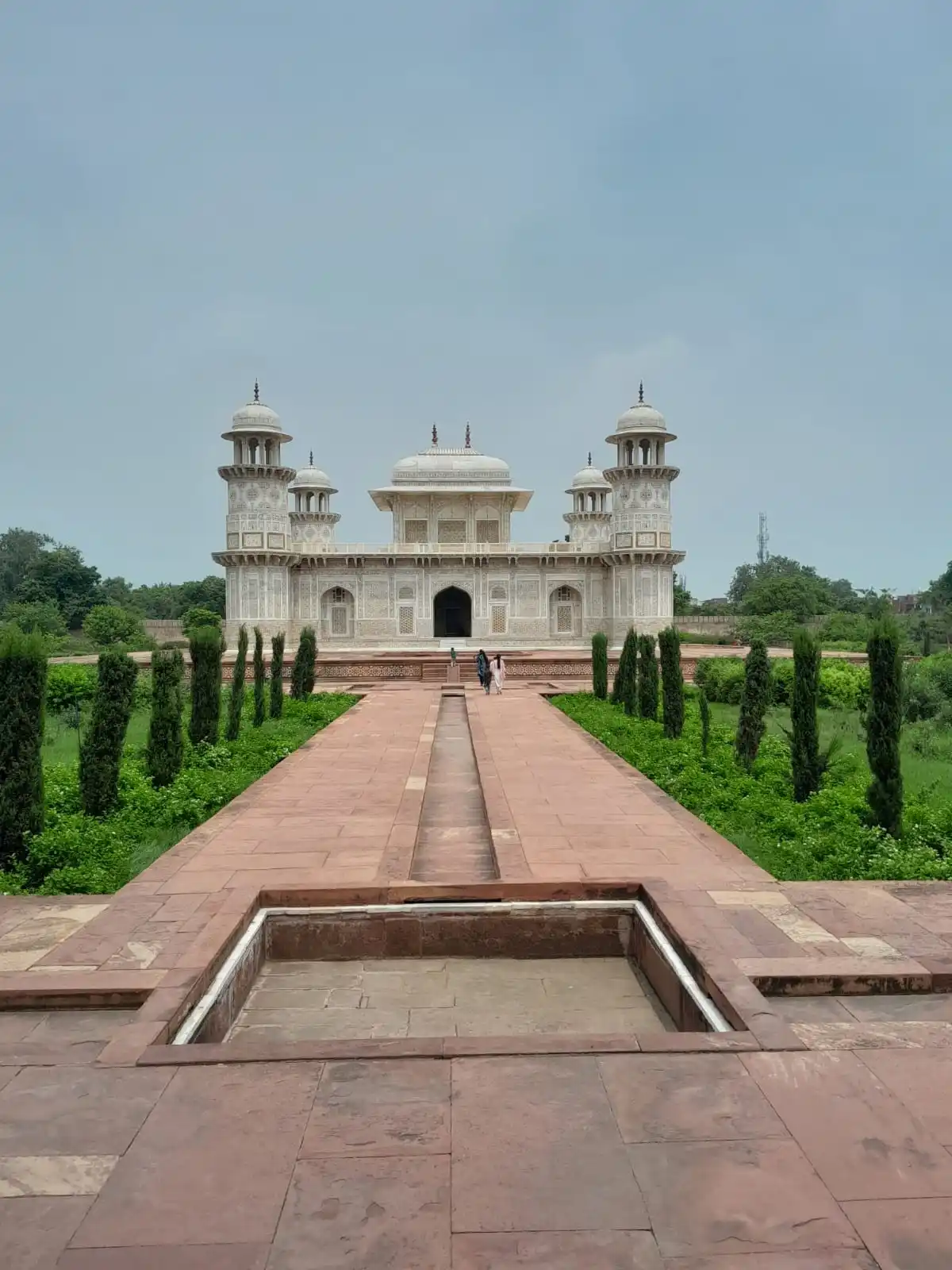
Tour Delhi's greatest landmarks: the Lotus Temple, India Gate (the national war memorial arch), Humayun's Tomb (the architectural inspiration for the Taj Mahal), and Qutub Minar (the world's tallest brick minaret).
Ride up to Amer Fort (Amber Fort) in Jaipur by jeep — a stunning hilltop palace complex that blends Hindu and Mughal architecture, overlooking a shimmering lake.
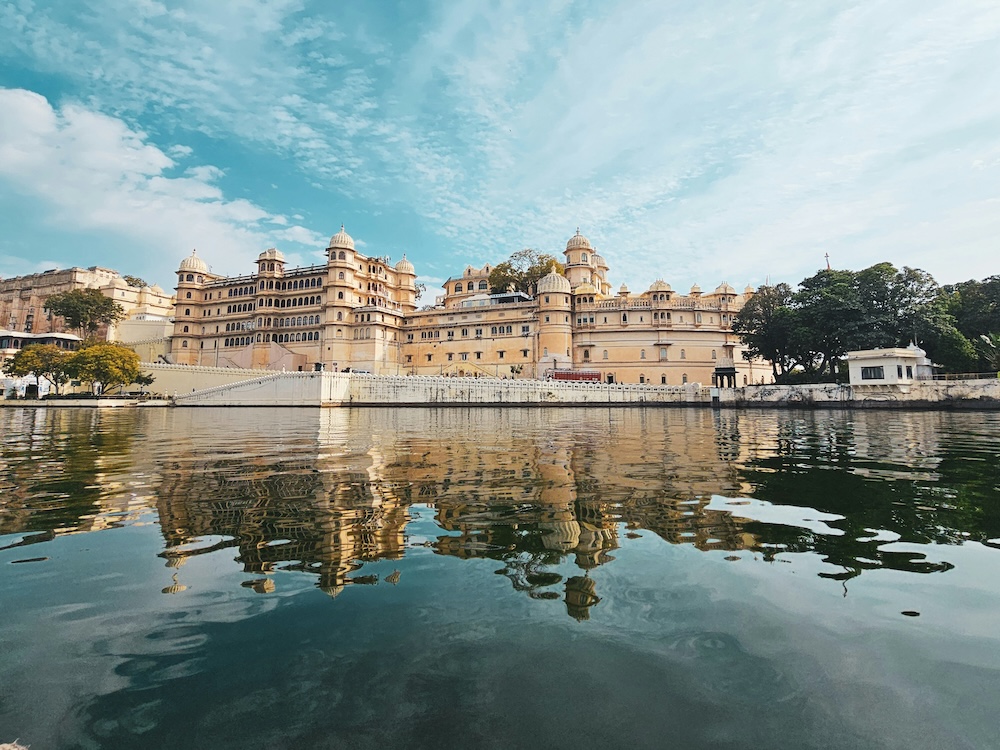
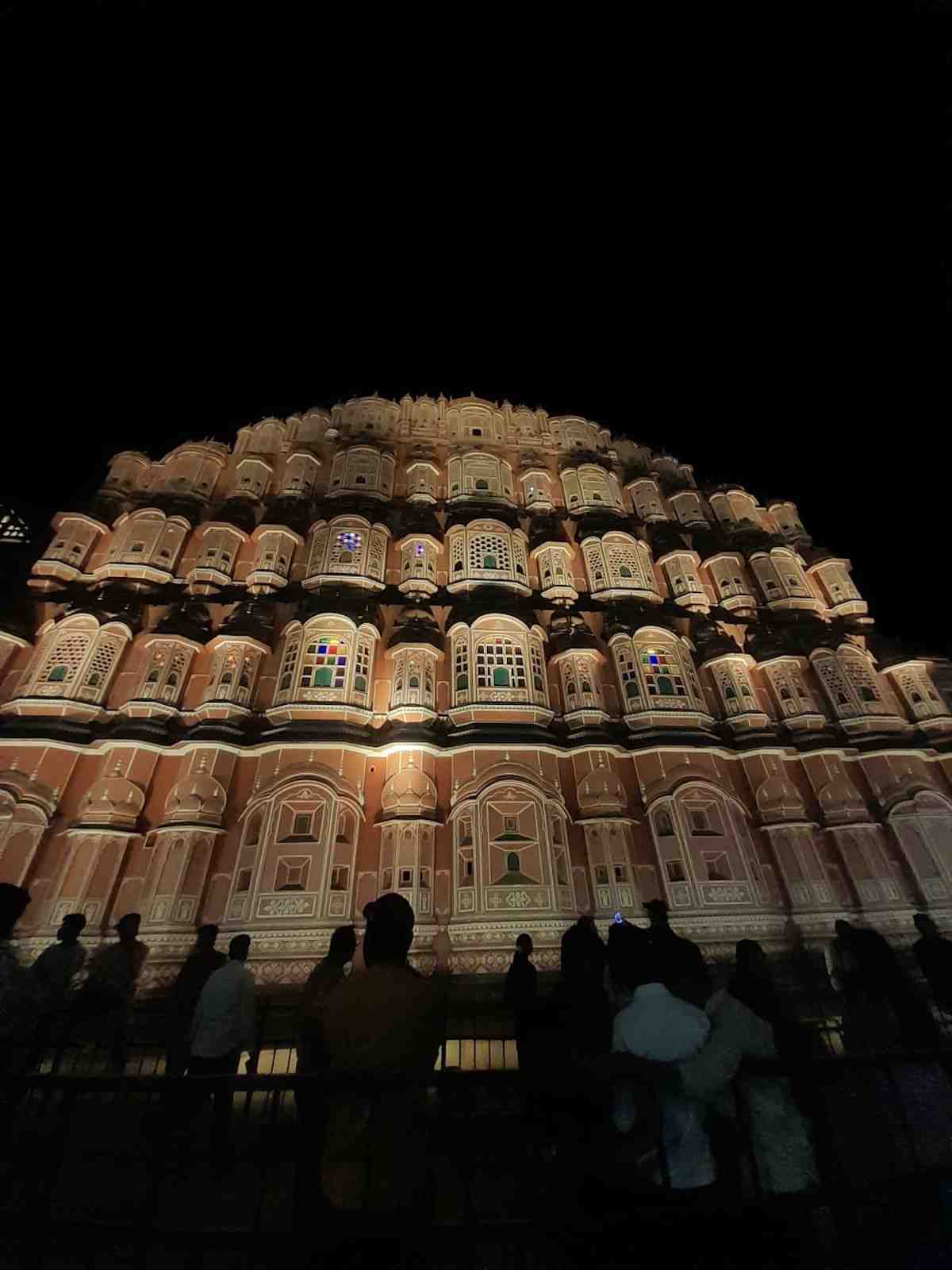
Visit the City Palace of Jaipur, the Jantar Mantar (an 18th-century open-air astronomical observatory still accurate today), and Hawa Mahal (the Palace of Winds, famous for its 953 latticed windows).
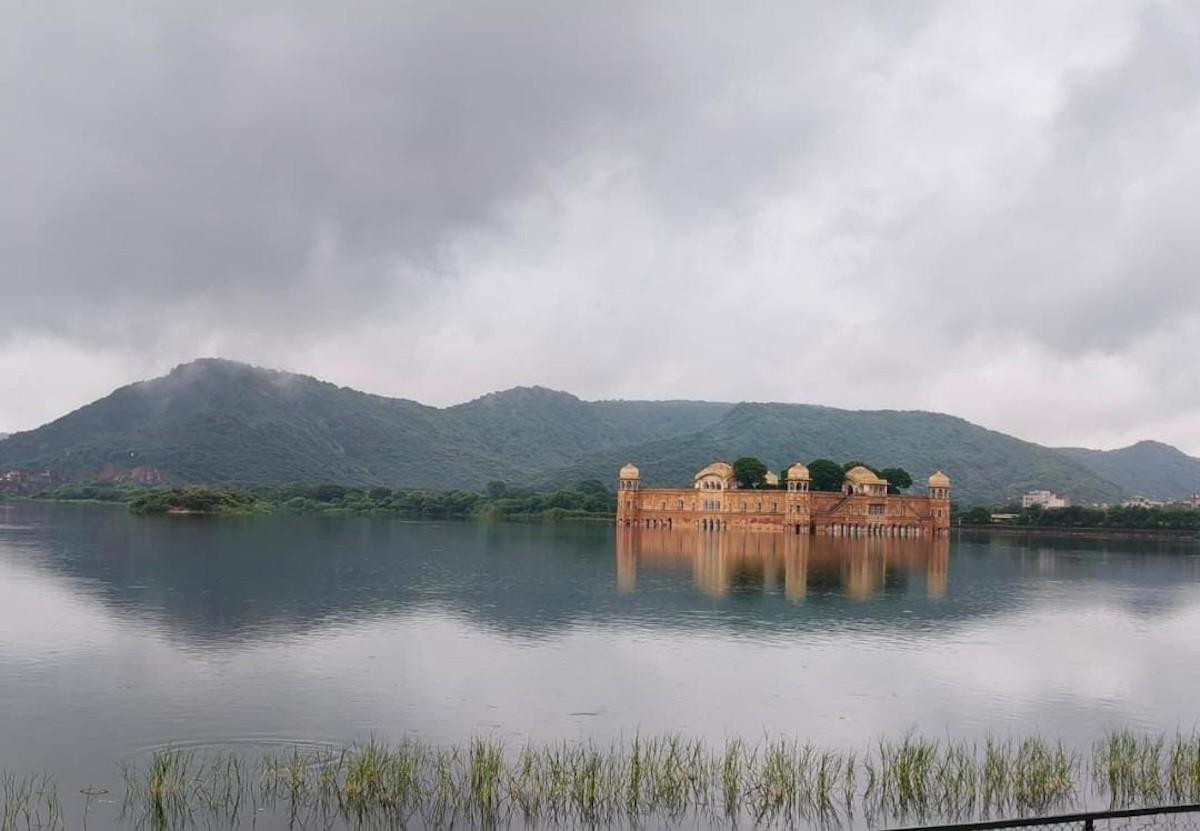
See the Jal Mahal (Water Palace) — a striking five-story palace that appears to float in the middle of Man Sagar Lake, best admired from the shoreline at sunset.
Travel the entire route in one private, air-conditioned vehicle—your same driver stays with you from Day 1 pickup to final drop-off, so nothing gets lost in handoffs.
Get exclusive access to a live Pietra Dura (marble inlay) craft demonstration by artisans who are direct descendants of the craftsmen who built the Taj Mahal—a rare and genuinely fascinating cultural experience.
Visit a hand-weaving heritage showroom in Jaipur, where master weavers demonstrate the difference between traditional hand-knotted rugs and machine-made imitations—fascinating for anyone curious about Indian craftsmanship.
Your journey begins with a smooth, complimentary pickup directly from your Delhi hotel or Delhi airport — no hunting for taxis or worrying about meter scams. Your professional driver greets you and introduces himself; he will be your trusted companion for the next three days.
Morning & Afternoon — Delhi Sightseeing with a Licensed Guide
Evening—Drive to Agra (Approximately 3.5 Hours)
After sightseeing in Delhi, your driver takes you comfortably to Agra via the Yamuna Expressway, one of India’s smoothest and fastest highways, significantly cutting down travel time compared to older routes. Arrive at your Agra hotel and check in for the evening. Your guide will brief you on the next morning’s Taj Mahal visit timing so you are fully prepared.
This is the day most travelers describe as the most emotionally powerful of the entire trip. You will see the Taj Mahal at sunrise, which is the best possible time — soft golden light, far fewer crowds, and a stillness that makes the experience feel deeply personal.
Early Morning — Taj Mahal at Sunrise
Your licensed Agra guide meets you at your hotel and accompanies you directly to the Taj Mahal entrance—no navigating the crowds or approaches alone. Your guide protects you from unauthorized touts (unofficial guides who try to latch on near the gates) and ensures you walk in with complete confidence.
Photo Tip: Sunrise entry gives you 60 to 90 minutes of the most photographable light of the day—far better than midday visits.
Note: Shoe covers are provided free of charge at the main entrance — there is no legitimate ‘shoe storage fee’ here, and your guide will steer you clear of any unofficial requests.
Mid-Morning—Back to Hotel for Breakfast & Check-Out
After the Taj Mahal, return to your hotel for breakfast (included) and a relaxed check-out. There is no rushed scramble — the schedule is built with this buffer time in mind.
Late Morning — Agra Fort
Afternoon — Marble Inlay Craft Demonstration (Pietra Dura)
On the way out of Agra, you visit an authorized workshop where 14th-generation craftsmen demonstrate the Pietra Dura inlay technique—the exact same hand-craftsmanship used to create the delicate floral patterns on the Taj Mahal’s marble walls. Watching the artisans work by hand using semi-precious stones is a genuinely fascinating experience that puts everything you just saw at the Taj Mahal into a whole new context. The workshop is also an authorized international shipper, so if you find a piece you love, they can arrange delivery anywhere in the world.
Late Afternoon—Fatehpur Sikri (on the Route to Jaipur)
Evening—Drive to Jaipur (Approximately 2.5 Hours)
Continue your drive to Jaipur, the Pink City, via the smooth Jaipur-Delhi Expressway. Arrive at your Jaipur hotel and check in for the night. Your guide will orient you for the next day’s sightseeing.
Road Comfort: Both expressways used on this tour (Yamuna Expressway and Jaipur-Delhi Expressway) are among India’s best-maintained highways—smooth, fast, and far more comfortable than older national highways.
Jaipur is called the Pink City because its Old City walls and historic buildings are painted a warm terracotta-pink color, a tradition started in 1876 to welcome the visiting Prince of Wales. It is vibrant, colorful, and packed with extraordinary architecture.
Morning — Amer Fort (Amber Fort)
Late Morning — City Palace
• City Palace of Jaipur: Still partly occupied by the royal family of Jaipur, this palace complex is a brilliant architectural blend of Rajput, Mughal, and European design styles. The palace museum houses royal artifacts, including enormous silver urns that were commissioned to carry sacred Ganges water for a royal visit to England. Your guide explains the clever architecture that was built to withstand the harsh desert climate while remaining visually spectacular.
Midday — Jantar Mantar
Early Afternoon — Hand-Weaving Heritage Showroom
Jaipur is one of the world’s great centers for traditional hand-knotted textiles. You visit an authorized heritage showroom where master weavers demonstrate the difference between authentic hand-knotted rugs (which take months to produce) and cheaper machine-made alternatives—knowledge that is genuinely useful if you ever shop for rugs anywhere in the world. The showroom is also authorized for international shipping if you find something you want to bring home.
Afternoon — Hawa Mahal & Jal Mahal
🍽 Lunch Note: Lunch is not included in the package. Your guide recommends personally vetted restaurants near each stop — places known for both authentic flavor and reliable food safety practices, including filtered water used in cooking.
Late Afternoon / Evening — Drive Back to Delhi (Approximately 5–6 Hours)
After sightseeing, your driver takes you back to Delhi comfortably via the expressway. You are dropped off at your Delhi hotel or directly at the Indira Gandhi International Airport for onward travel. Your driver stays with you all the way to the end — no switching cars or drivers at any point.

Luxury AC Car
Destination covered: Delhi, Agra and Jaipur
Pickup and drop back to hotel / airport in New Delhi
Two Nights accommodation, Single / Dbl Occupancy Bed / Breakfast
All Entrance / Monuments Tickets fees
Live Tour Guide Service (Delhi, Agra, Jaipur)
Bottled water
All Taxes

Tips and Gratuities
Lunch and Dinner at restaurant or hotel
EXCELLENTVerified True Delhi We came to Delhi from Uk with lots of different expectations some positive and some negative. We have been lucky that Mike, our tour guide, looked after us.He showed us and gave us lots of information of past and present of each monument. We spent the whole day together and it was amazing. Thanks also to our driver that drove us around in the crazy traffic. ThanksPosted onVerified Fantastic Day in Jaipur Last day trip in India was memorable with Mayank as our guide. His knowledge of Jaipur history was fantastic. We had great photo opportunities and he made us feel so comfortable. I would recommend a tour with him on your visit.Posted onVerified Our Jaipur tour with Mayank We experienced a tour to Jaipur with our guide Mayank, who was incredible with perfect English and very knowledgeable with the history and culture which made the experience truly memorable. This tour of the pink city is highly recommended.Posted onVerified Fantastic guided tour We had a fantastic time with Himu, his knowledge of the history of India and the Chandi Chowk was amazing. He took us to sample ahmazing local foods. I recommend a tour with him through Dehli.Posted onVerified Great time with a great guide Himu We done a night tour of the spice market with Himu, who was a great guide and very knowledgeable, showed us all the great spots to experience all the amazing street food and spices. He cones very highly recommended.Posted onVerified Lovely day exploring old & New Delhi It was our first official day in India and it was off to an amazing start thanks to this tour setting the tone for our trip! Our guide (Mike) was super friendly and shared some fun history lessons and took us to lovely sites. Highly recommend!Posted onVerified Super Great experience!! A lot of information. Profesional, nice guide always helpful. He was very engainging. :)Posted onVerified High recommendations for Faiz Today we had a tour in Agra of the Taj Mahal and the Agra Fort with our tour guide Faiz, who was incredibly knowledgeable of every aspect of the tour and his communication and explanations of the rich and amazing history really made this trip memorable and insightful.We definitely recommend Faiz to anyone that wants the history with the sights 100 out of 10Posted onVerified Unforgettable day trip from Delhi to Agra! We had an amazing day tour with Mayank from Delhi to Agra (Taj Mahal).Mayank was really friendly, knowledgeable, and made the whole experience truly enjoyable. We requested the tour only one day before our arrival, and he was able to quickly organize everything and even included individual wishes we had.We had a 21-hour layover in Delhi, arriving at the airport, and really made the best out of this short time. Mayank explained a lot about India and the history of the Taj Mahal while we were there. Also, lunch at a 5 star hotel was included.Everything was very well organized and we felt comfortable the whole time. We can definitely recommend Mayank to everyone visiting Delhi, Agra or/and Jaipur.Thank you again for this great experience!Posted onVerified Delhi tour I was collected promptly at my hotel where we went to pick up our guide.I had an amazing time with Mayank (guide) . He was so polite, funny & knowledgeable.He treated me with respect and made me feel looked after all day , as I ended up completing the trip as a solo female due to my husband becoming ill and not being able to attend last minute.Mayank was understanding of my situation and feelings and was a superb guide.The driver was very good, dealing with Delhi traffic and allowing me to feel safe. We saw so many things in old dehli and new and he spoke with such passion.I highly recommend this tourVerified by TrustindexTrustindex verified badge is the Universal Symbol of Trust. Only the greatest companies can get the verified badge who has a review score above 4.5, based on customer reviews over the past 12 months. Read more
You travel in a private sedan (Toyota Innova Crysta or equivalent) with full working air conditioning, ample legroom, and a professional driver. Critically, the same driver stays with you from your day 1 pickup all the way to your day 3 drop-off—you never switch drivers or vehicles mid-trip. Your driver’s number is shared with you before departure so you can reach him at any time.
We use the Yamuna Expressway between Delhi and Agra and the Jaipur-Delhi Expressway between Agra/Jaipur and Delhi—both are among India’s best-maintained, fastest, and most comfortable highways. These expressways significantly reduce travel time compared to older routes and make the drives smooth and easy.
Your private car and driver wait for you at every single stop throughout the trip. You never need to arrange any additional transportation inside any city — simply get back in your car when you are ready to move on.
All guides on this tour are officially licensed by the Indian Ministry of Tourism — the highest level of guiding certification in India. They are selected specifically for their deep knowledge, fluent English, and ability to have real conversations about history and architecture, not just recite rehearsed scripts. If you have a specific interest in Mughal military history, medieval Islamic architecture, or Rajput cultural traditions, let us know when you book, and we will match you with the ideal guide.
Yes—you receive a direct WhatsApp and phone number for our dedicated tour coordinator before you depart. If anything feels off at any point — a communication issue, a schedule change, or any concern at all — you can reach a real person immediately, any time of day or night.
Absolutely. One of the most important jobs of your guide is to proactively manage the people and environment around you. At the Taj Mahal entrance, your guide meets you at the hotel and walks you through the entire approach—steering you past the unauthorized touts and unofficial ‘helpers’ who target tourists near the gates. You walk in with your guide by your side the whole time, which completely eliminates that stressful experience.
Yes—all monument entry fees are fully included in your package price, including the significantly higher foreigner-rate tickets that apply at major UNESCO sites like the Taj Mahal, Agra Fort, and Amer Fort. There are no surprise fees at any gate. The only costs not included are lunch, dinner, personal souvenirs, and optional gratuities.
Yes. Bottled water is available in the car throughout the entire trip. All expressway tolls, parking fees, and applicable taxes are included in the package price. There are no additional transportation-related charges.
Tips are entirely optional and never mandatory. As a general guide used by most international travelers, USD $10 to $15 per day for your driver (roughly $30 to $45 total for the 3-day trip) and USD $10 to $15 per city for each local guide are considered generous and are genuinely appreciated. You can tip in US dollars or Indian rupees — both are welcome.
Your guide serves as a personal buffer at all crowded sites. If you are approached by groups wanting selfie photos or by persistent vendors, your guide steps in politely but firmly on your behalf—you should never feel pressured or uncomfortable. Hotels recommended on this tour are in safe, well-lit areas with 24/7 front desk security. Clean, vetted restroom facilities and reputable cafes are built into the itinerary at every major stop.
Yes. At Amer Fort in Jaipur, a jeep ride is included precisely because the approach on foot is a steep cobblestone climb—the jeep brings you directly to the main entrance. If anyone in the group needs to skip a monument, take a rest, or adjust the schedule for any reason, your driver is flexible at no extra charge. The tour is designed with buffer time built into each day — it is not a race from one stop to the next.
Your guide personally recommends restaurants at each stop that are vetted for hygiene, including use of filtered (RO) water for cooking and ice. You will have access to a curated list of safe local snack spots that are popular with both locals and international travelers — places where you can taste authentic Indian flavors with confidence. Avoiding tap water and unpeeled raw fruits and vegetables (which your guide will remind you of) is the most effective prevention strategy.
After visiting the Taj Mahal, you visit a workshop staffed by fifth-generation craftsmen who are direct descendants of the artisans who created the inlay work on the Taj Mahal itself. You watch them work live—cutting semi-precious stones by hand and setting them into white marble using the same technique that produced the floral patterns you just saw at the monument. It is a remarkable connection between what you saw and how it was actually made. The workshop is also fully authorized to ship internationally if you wish to purchase a piece.
Jaipur is one of India’s most respected centers for traditional hand-knotted textiles. At this heritage showroom, master weavers demonstrate the full process of creating a hand-knotted rug and explain clearly how to distinguish authentic hand-knotted pieces from machine-made imitations. It is genuinely useful knowledge for anyone who appreciates craftsmanship or is curious about Indian textile traditions. The showroom handles international shipping and is fully authorized to export pieces abroad.
Yes — and we strongly recommend it. The Taj Mahal is most beautiful and least crowded at sunrise. We build the Agra day specifically around a sunrise start, and you can confirm your preferred exact timing when you book. If you have a later hotel checkout or a flight constraint, let us know and we will adjust the schedule around your needs.
Absolutely. Your itinerary is a strong default plan, but it is not rigid. If you want to spend an extra hour at the Taj Mahal and skip one of the Delhi stops, or if you want to add a rickshaw ride through Old Delhi’s Chandni Chowk market area (which we arrange with a trusted pre-booked driver — not a random roadside haggle), simply let your guide know. Everything is adjustable, and your driver is always on hand to accommodate changes.