Golden Triangle tour
4.9 (2,304)
The Golden Triangle tour with Varanasi, a package of 7 nights and 8 days, is going to be an amazing journey that offers travelers a perfect blend of history, culture, spirituality, and architectural beauty. This tour covers the three iconic cities of India’s famous Golden Triangle—Delhi, Agra, and Jaipur—along with the spiritual charm of Varanasi, one of the oldest living cities in the world. It gives travelers an unforgettable opportunity to witness India’s rich heritage, vibrant traditions, majestic forts, royal palaces, colorful bazaars, sacred temples, and world-famous monuments.

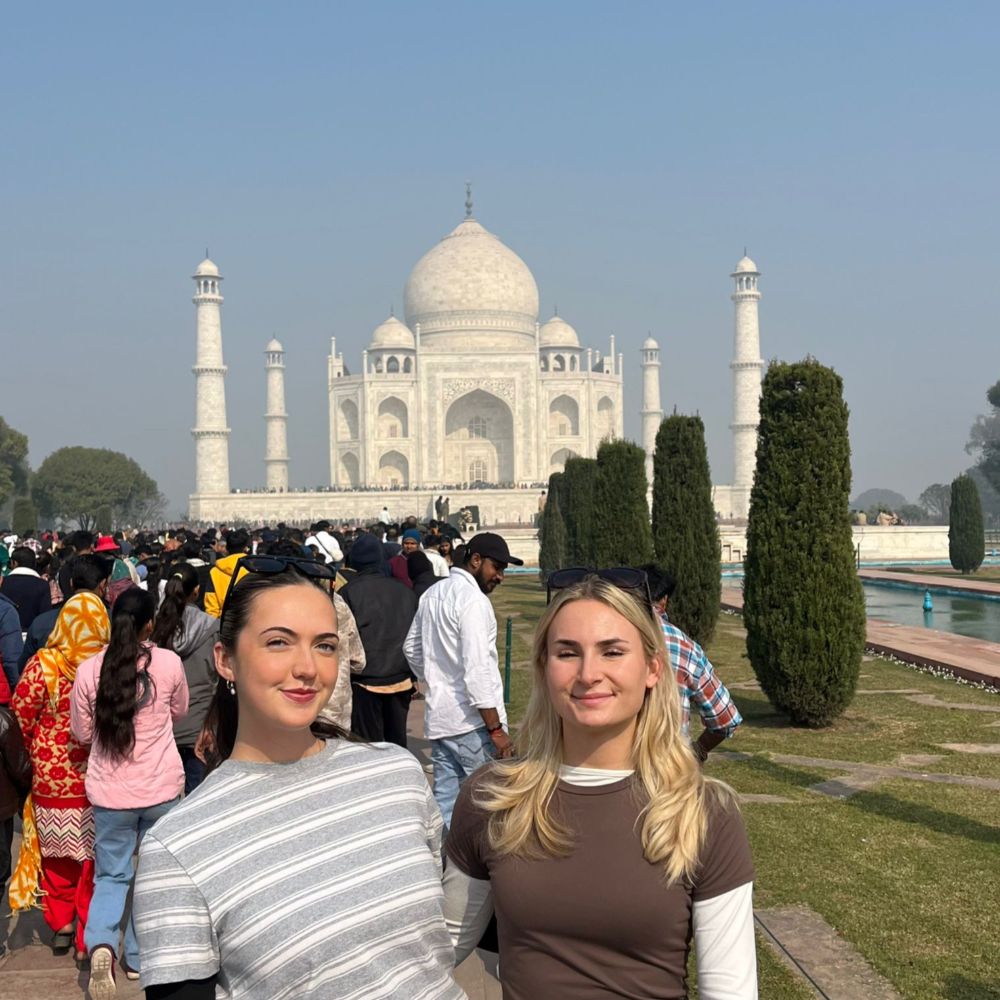
Sunrise visit to the Taj Mahal—India's greatest monument, built in 1632 by Emperor Shah Jahan, best seen in soft morning light before the crowds arrive.
Sunrise boat ride on the Ganges River (also called the Ganga) in Varanasi — witness the daily bathing rituals, ancient temples, and centuries-old traditions of one of the world's oldest continuously inhabited cities.
Amber Fort (also called Amer Fort) elephant-back ascent in Jaipur — arrive at this magnificent 16th-century hilltop fortress the way Maharajas (kings) once did.
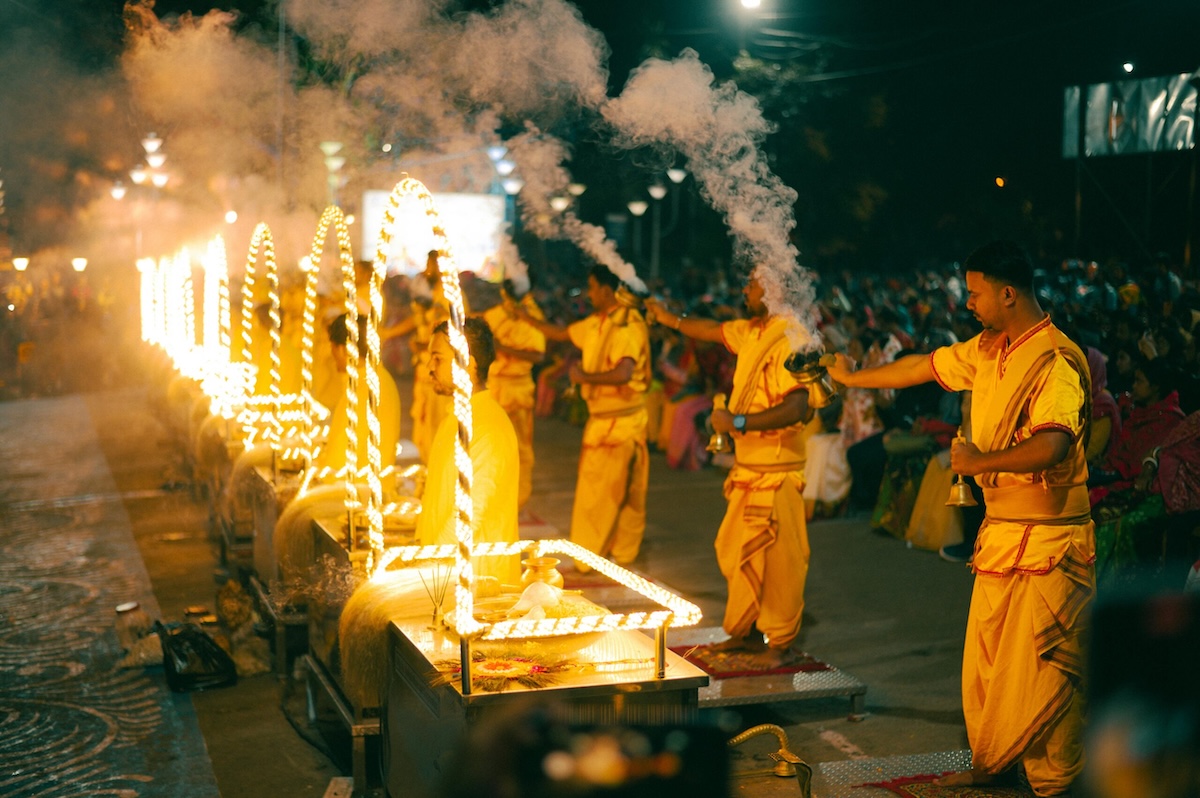
Ganga Aarti evening ceremony — a breathtaking riverside prayer ritual held every evening at the riverbanks (called Ghats) in Varanasi, with fire, flowers, and chanting at 6:30 PM.
Fatehpur Sikri — a perfectly preserved ghost city and UNESCO World Heritage Site built by Mughal Emperor Akbar, abandoned just 15 years after completion; visit the Buland Darwaza (the Gate of Victory), the world's largest gateway.
Qutub Minar in Delhi—a 73-meter tall, five-story UNESCO-listed victory tower built in the 12th century, one of the finest examples of early Islamic architecture in India.
Jama Masjid mosque in Delhi — one of the largest mosques in India, built by Emperor Shah Jahan from red sandstone and white marble; a truly awe-inspiring experience.
Jantar Mantar astronomical observatory in Jaipur—an open-air collection of 19 large scientific instruments built in the 18th century, still accurate today; UNESCO World Heritage Site.
Sarnath Buddhist pilgrimage site—located 10 km (6 miles) from Varanasi, this is where the Buddha gave his first sermon after reaching enlightenment; a peaceful and historically significant excursion.
Live demonstration of 17th-century marble inlay art (called Pietra Dura) in Agra—watch the same artisans' descendants who built the Taj Mahal create intricate floral patterns in marble using semi-precious stones.
Traditional Hand-Knotted Rug Weaving Center — see how silk and wool rugs carrying the influence of the ancient Silk Road trade route are still made entirely by hand in Jaipur and Varanasi.
Your journey begins the moment you land at Indira Gandhi International Airport in New Delhi. Our representative will be waiting for you in the arrivals hall with a name sign — no waiting, no confusion. You will be transferred directly to your hotel in a private, air-conditioned vehicle.
After checking in, take the rest of the day at your own pace to recover from the long flight and adjust to the time zone. Your guide will give you a brief orientation on what to expect over the next eight days.
After breakfast, your English-speaking guide meets you at the hotel for a full day of Delhi exploration. Delhi is actually two cities layered on top of each other: Old Delhi, a medieval maze of alleyways, mosques, and street food stalls; and New Delhi, a grand colonial-era capital with wide boulevards and government buildings.
Begin at Jama Masjid (Friday Mosque), one of the largest mosques in India — an enormous red sandstone and marble structure built by Emperor Shah Jahan in 1656, capable of holding 25,000 worshippers. From the mosque, board a cycle rickshaw (a three-wheeled bicycle taxi) for a ride through Chandni Chowk, Old Delhi’s legendary bazaar street, packed with spice merchants, silversmiths, and street food vendors. Your guide walks with you and manages the route, so you can simply soak in the sensory experience.
Then visit Raj Ghat, a serene garden memorial marking the spot where Mahatma Gandhi—the leader of India’s independence movement—was cremated in 1948. A simple black marble platform in open parkland, it is a place of quiet reflection.
In the afternoon, visit the Qutub Minar, a 73-meter soaring tower of red sandstone built in 1193 AD and listed as a UNESCO World Heritage Site. Next, explore Humayun’s Tomb, the 16th-century garden mausoleum that directly inspired the design of the Taj Mahal—another UNESCO site. Conclude with a scenic drive past India Gate (a 42-meter war memorial arch) and the Presidential Palace (Rashtrapati Bhavan), the official residence of India’s president.
After breakfast, your driver loads the vehicle, and you head southwest to Jaipur, the capital of the state of Rajasthan and the first leg of the famous Golden Triangle route. The drive takes approximately five hours through the changing landscape of northern India—flat agricultural plains gradually give way to the dry, rocky terrain of Rajasthan.
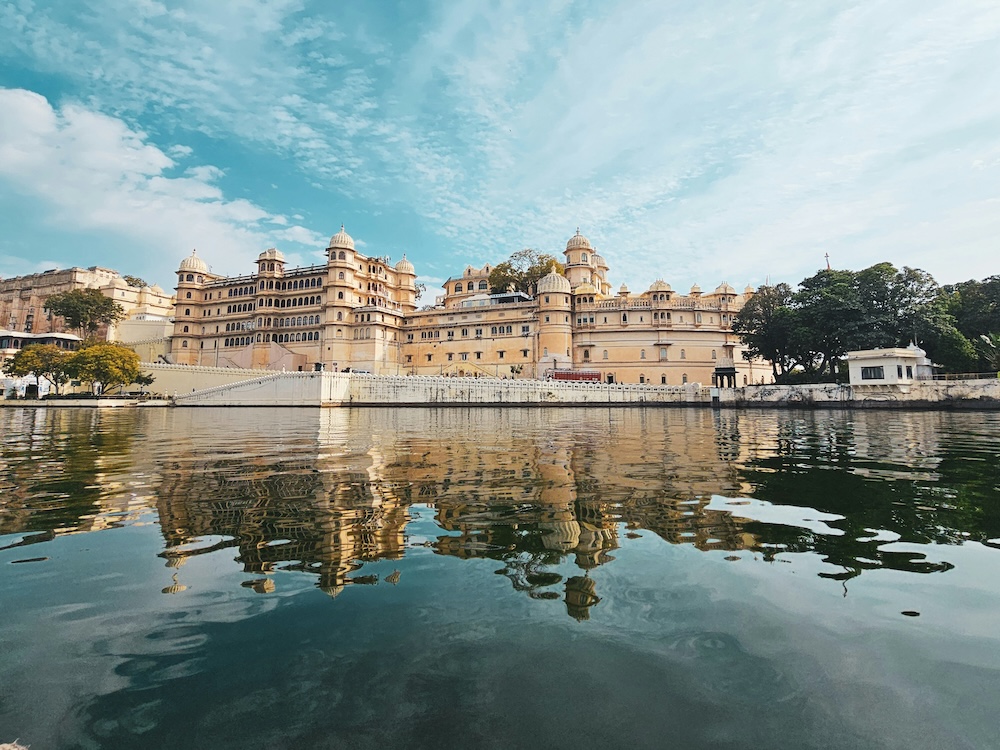
Jaipur is nicknamed the Pink City because in 1876 the entire old city was painted pink to welcome Britain’s Prince Albert. The color has remained ever since. The city is known for its impressive mix of medieval forts, royal palaces, and vibrant bazaars selling everything from precious gemstones to block-printed textiles.
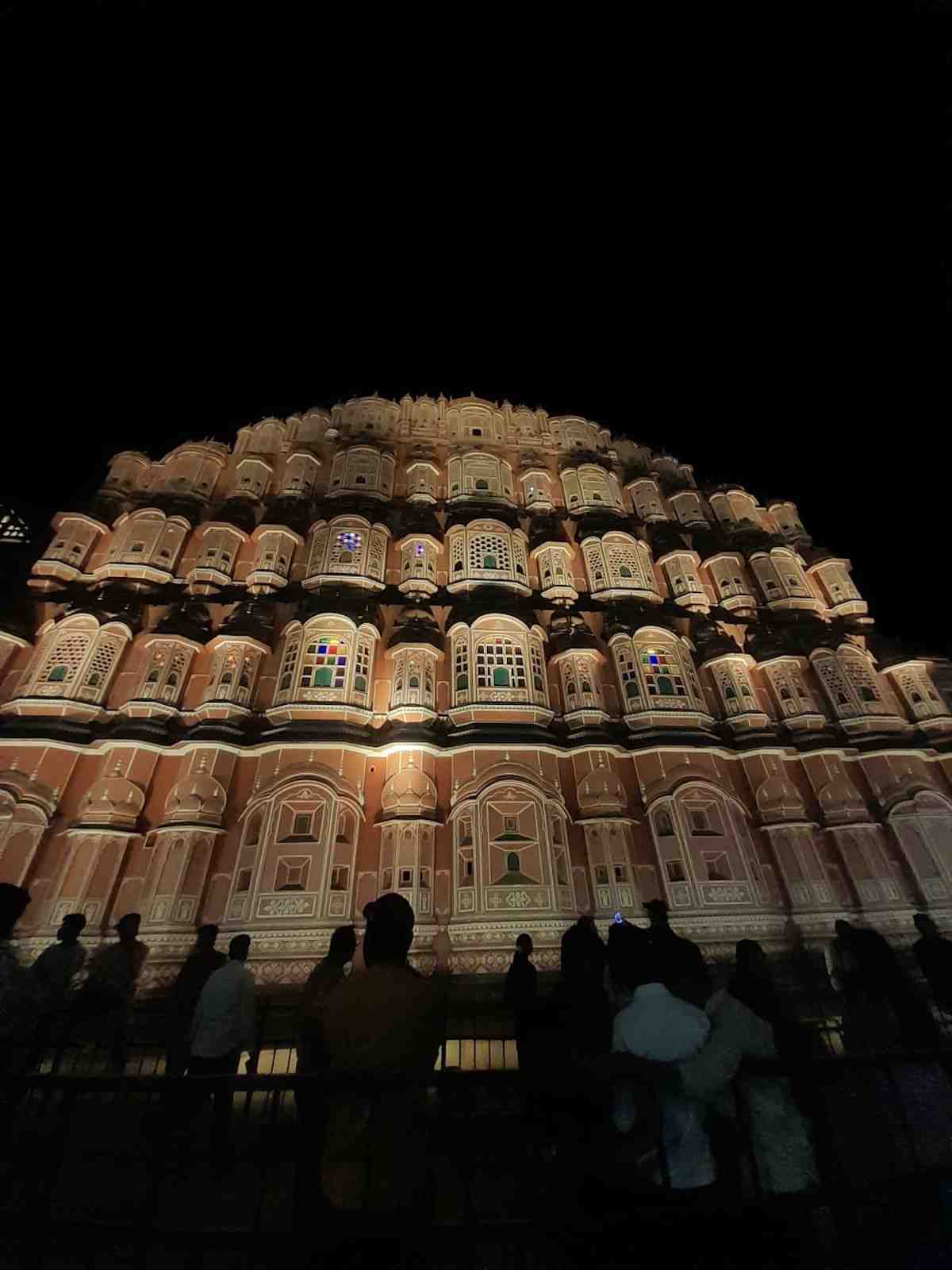
On arrival, visit Birla Mandir (Laxmi Narayan Temple), a stunning white marble Hindu temple built in 1988 at the foot of a rocky hill. If timing aligns, you may witness an evening prayer ceremony (called an “Aarti”)—a beautiful ritual involving oil lamps, flowers, and devotional music. Afterward, your driver takes you past Hawa Mahal (Palace of Winds)—a fairy-tale five-story pink sandstone palace facade with 953 small windows (called Jharokhas) that allowed royal women to observe street life without being seen.
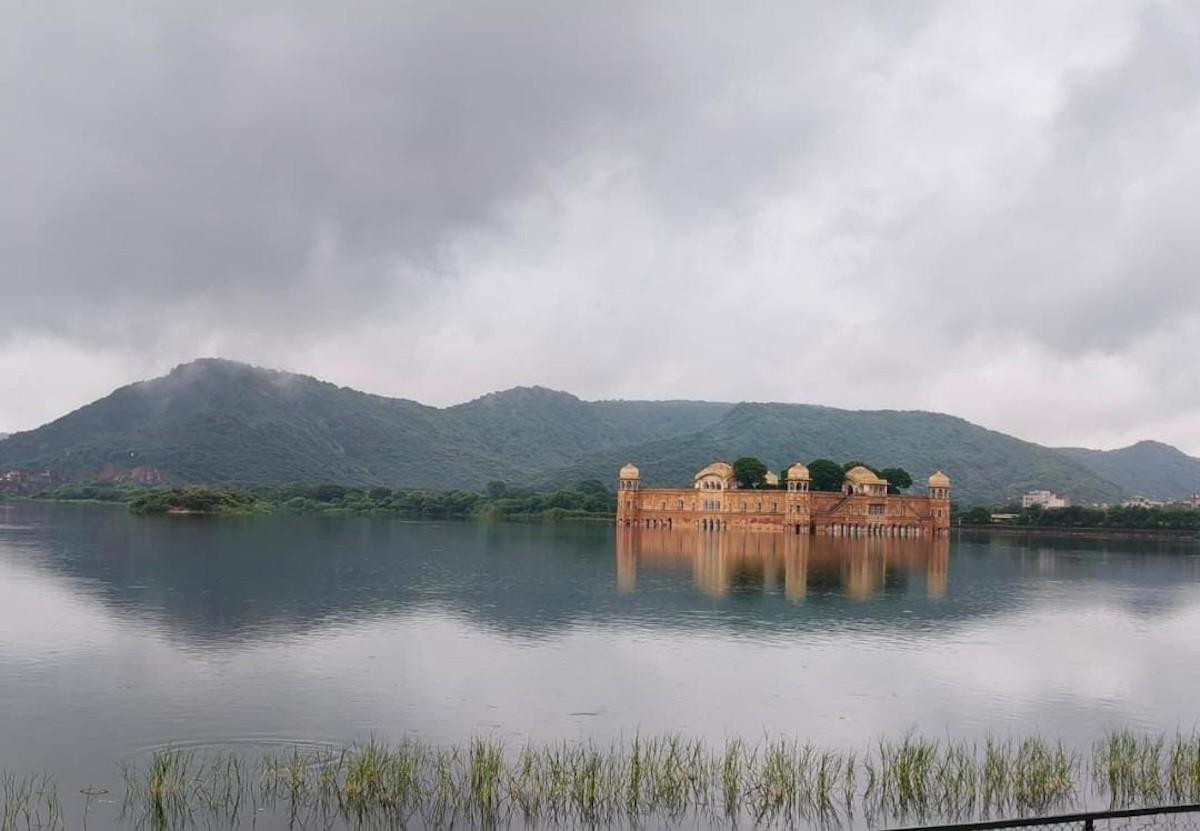
This is your full day in Jaipur, and it begins with the most memorable activity of the trip for many travelers: ascending Amber Fort (also written Amer Fort) on the back of an elephant. Amber was the old capital of Jaipur before the new city was built in 1727. The fort sits on a rocky hilltop overlooking a lake (called Maota Lake) and is a UNESCO World Heritage Site. Its interiors are a labyrinth of mirrored halls (Sheesh Mahal — the Hall of Mirrors), painted courtyards, and carved marble screens.
Back in the city, visit the City Palace, still partially inhabited by the descendants of the Jaipur royal family. The museum within its walls houses a remarkable collection of royal costumes, weapons, and manuscripts. Immediately adjacent is Jantar Mantar, a collection of 19 giant stone astronomical instruments built between 1727 and 1734 — the world’s largest sundial is here, accurate to within two seconds.
In the afternoon, your guide takes you through Jaipur’s local markets at your own comfortable pace. The city is especially famous for its blue pottery, Rajasthani miniature paintings, and hand-knotted rugs. Visit our traditional rug weaving center to see master weavers create intricate patterns by hand — a process unchanged for centuries and a living connection to the ancient Silk Road textile trade.
After breakfast, you depart Jaipur heading east toward Agra, home of the Taj Mahal. The drive takes approximately five hours, but the highlight along the way makes every minute worthwhile: Fatehpur Sikri, a UNESCO World Heritage Site and one of the most remarkable and eerie places in India.
Emperor Akbar built Fatehpur Sikri as his grand new capital between 1569 and 1585 — a perfectly planned Mughal city of red sandstone palaces, mosques, and courtyards. Then, just 15 years after its completion, it was completely abandoned, likely due to a water shortage. Today it stands exactly as it was left, earning the nickname ‘the ghost city. The centerpiece is Buland Darwaza (the Gate of Victory), built in 1601 AD—at 54 meters tall, it is the largest gateway in the world, constructed to commemorate Akbar’s conquest of the western Indian region of Gujarat.
Upon arriving in Agra, you are transferred to your hotel. Take the evening to explore Agra’s local markets, known for their exceptional marble goods, leather shoes, and sweets made from milk solids (called “petha”).
This is the day most travelers dream about before visiting India. Your guide takes you to the Taj Mahal early in the morning to arrive just after the gates open—the light is softest, the crowds are thinnest, and the experience is most magical. The Taj Mahal was built between 1632 and 1648 by Mughal Emperor Shah Jahan as a tomb for his beloved wife Mumtaz Mahal, who died during childbirth. It is made entirely of white marble from Rajasthan and inlaid with semi-precious stones in intricate floral patterns. It is one of the Seven Wonders of the World and a UNESCO World Heritage Site.
Next, visit Agra Fort, a massive red sandstone fortress built in 1565 by Emperor Akbar and later expanded by his grandson Shah Jahan. It is where Shah Jahan himself was imprisoned by his own son in his final years—and from one of its marble towers, he could see the Taj Mahal in the distance. The fort features a fascinating mix of architectural styles, including the Jehangir Mahal, Khas Mahal (private palace), and Sheesh Mahal (mirrored pavilion).
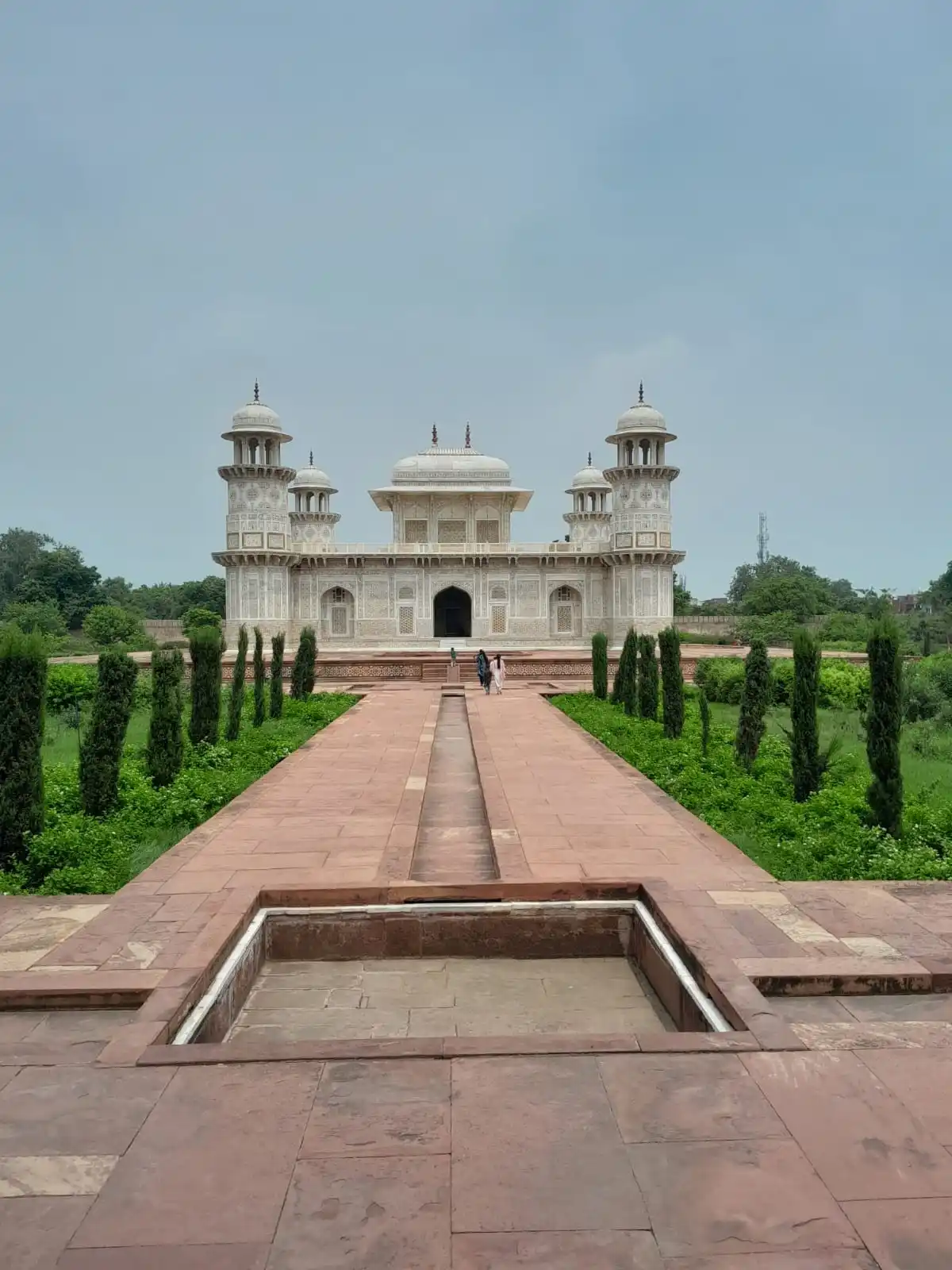
In the afternoon, visit Itimad-ud-Daulah, often called the ‘Baby Taj’—the tomb of Empress Nur Jahan’s father, built between 1622 and 1628. Many architectural historians consider it the direct prototype for the Taj Mahal, as it was the first Mughal building to be constructed entirely in white marble with inlaid precious stones.
Before heading to the train station, visit our Marble Inlay Art workshop—a living demonstration of the same Pietra Dura technique used to decorate the Taj Mahal. You will see artisans hand-cutting semi-precious stones (lapis lazuli, malachite, and mother of pearl) and pressing them into marble surfaces to create stunning geometric and floral designs. This is a genuine cultural experience, not a typical tourist shop, and there is absolutely no pressure to purchase anything.
In the evening, your driver transfers you to Agra Railway Station to board the overnight train to Varanasi. Your berths are arranged and confirmed in advance. The train journey takes approximately 10-12 hours overnight.
You arrive in Varanasi in the afternoon. Your guide meets you at the railway station and transfers you to your hotel. Varanasi is believed by Hindus to be the earthly home of the god Shiva, and it is considered the holiest city in Hinduism. It has been continuously inhabited for at least 3,000 years, making it one of the oldest living cities on earth. Mark Twain wrote that Varanasi is ‘older than history, older than tradition, older even than legend.’
That evening, your guide escorts you to the riverbanks—called the Ghats—on the Ganges River (Ganga) for the nightly Aarti ceremony, held every evening at 6:30 PM. This is one of the most visually spectacular religious ceremonies in the world: rows of priests in orange robes swing large fire-burning incense holders in synchronized movements while devotional music fills the air and hundreds of small flower-and-candle offerings float downstream on the river. You will watch from a private boat arranged exclusively for your group, giving you the best vantage point away from the crowded riverbanks.
The following morning (Day 8), wake before dawn and board your private boat for a sunrise cruise along the Ganges. In the early morning light, you will witness Varanasi’s extraordinary daily life on the Ghats—pilgrims bathing in the sacred water, priests performing morning prayers, yogis meditating on the steps, laundry being washed and dried, and small children taking swimming lessons. Your guide will explain what you are seeing and answer all your questions with care and context.
After the boat ride, your guide leads you through Varanasi’s ancient lanes (called “Galis”) to visit some of the city’s most important temples and the historic Aurangzeb’s Mosque, also known as Alamgir Mosque, which sits dramatically on the riverbank above the Ghats. In the afternoon, travel to Sarnath, 10 km (6 miles) east of Varanasi, where the Buddha gave his first sermon after achieving enlightenment approximately 2,500 years ago. The deer park, ancient stupas (Buddhist dome-shaped monuments), and archaeological museum make this an incredibly moving and peaceful half-day excursion.
Enjoy a final morning in Varanasi at your own pace. In the evening, your guide transfers you to Varanasi Railway Station for the overnight train back to Delhi. You arrive in Delhi the following morning, where your dedicated driver picks you up from the station and transfers you directly to Indira Gandhi International Airport for your onward flight home.
Your 8-day journey through India’s most iconic cities comes to a close here. You will carry with you memories of extraordinary architecture, ancient spiritual rituals, the kindness of local people, and the colors, sounds, and flavors of a civilization that has been inspiring travelers for thousands of years.

Luxury AC Car
Destination covered: Delhi, Agra ,Jaipur and Varanasi
Pickup and drop back to hotel / airport in New Delhi
06 Nights accommodation, Single/Dbl Occupancy Bed / Breakfast / Taxes
02 Nights in the train(Agra to Varanasi and Varanasi to Delhi)
All Entrance / Monuments Tickets fees
Live Tour Guide Service (Delhi, Agra, Jaipur)
Taxes – express highway toll, airport parking, and monument parking charges.
Bottled water
All Taxes

Any Flight
Tips and Gratuities
Lunch and Dinner at restaurant or hotel
Insurance and medical care
Any personal expenses
EXCELLENTVerified True Delhi We came to Delhi from Uk with lots of different expectations some positive and some negative. We have been lucky that Mike, our tour guide, looked after us.He showed us and gave us lots of information of past and present of each monument. We spent the whole day together and it was amazing. Thanks also to our driver that drove us around in the crazy traffic. ThanksPosted onVerified Fantastic Day in Jaipur Last day trip in India was memorable with Mayank as our guide. His knowledge of Jaipur history was fantastic. We had great photo opportunities and he made us feel so comfortable. I would recommend a tour with him on your visit.Posted onVerified Our Jaipur tour with Mayank We experienced a tour to Jaipur with our guide Mayank, who was incredible with perfect English and very knowledgeable with the history and culture which made the experience truly memorable. This tour of the pink city is highly recommended.Posted onVerified Fantastic guided tour We had a fantastic time with Himu, his knowledge of the history of India and the Chandi Chowk was amazing. He took us to sample ahmazing local foods. I recommend a tour with him through Dehli.Posted onVerified Great time with a great guide Himu We done a night tour of the spice market with Himu, who was a great guide and very knowledgeable, showed us all the great spots to experience all the amazing street food and spices. He cones very highly recommended.Posted onVerified Lovely day exploring old & New Delhi It was our first official day in India and it was off to an amazing start thanks to this tour setting the tone for our trip! Our guide (Mike) was super friendly and shared some fun history lessons and took us to lovely sites. Highly recommend!Posted onVerified Super Great experience!! A lot of information. Profesional, nice guide always helpful. He was very engainging. :)Posted onVerified High recommendations for Faiz Today we had a tour in Agra of the Taj Mahal and the Agra Fort with our tour guide Faiz, who was incredibly knowledgeable of every aspect of the tour and his communication and explanations of the rich and amazing history really made this trip memorable and insightful.We definitely recommend Faiz to anyone that wants the history with the sights 100 out of 10Posted onVerified Unforgettable day trip from Delhi to Agra! We had an amazing day tour with Mayank from Delhi to Agra (Taj Mahal).Mayank was really friendly, knowledgeable, and made the whole experience truly enjoyable. We requested the tour only one day before our arrival, and he was able to quickly organize everything and even included individual wishes we had.We had a 21-hour layover in Delhi, arriving at the airport, and really made the best out of this short time. Mayank explained a lot about India and the history of the Taj Mahal while we were there. Also, lunch at a 5 star hotel was included.Everything was very well organized and we felt comfortable the whole time. We can definitely recommend Mayank to everyone visiting Delhi, Agra or/and Jaipur.Thank you again for this great experience!Posted onVerified Delhi tour I was collected promptly at my hotel where we went to pick up our guide.I had an amazing time with Mayank (guide) . He was so polite, funny & knowledgeable.He treated me with respect and made me feel looked after all day , as I ended up completing the trip as a solo female due to my husband becoming ill and not being able to attend last minute.Mayank was understanding of my situation and feelings and was a superb guide.The driver was very good, dealing with Delhi traffic and allowing me to feel safe. We saw so many things in old dehli and new and he spoke with such passion.I highly recommend this tourVerified by TrustindexTrustindex verified badge is the Universal Symbol of Trust. Only the greatest companies can get the verified badge who has a review score above 4.5, based on customer reviews over the past 12 months. Read more
Absolutely. This itinerary has been designed specifically for travelers who have limited time but want a thorough, meaningful experience. Every transfer, hotel, and activity is pre-arranged so that you never have to think about logistics. Your only job is to show up and enjoy. The two overnight train journeys also save daylight hours that would otherwise be spent traveling — you sleep and arrive refreshed. For travelers with only 4-5 days, we can customize a shorter version focused on Delhi, Agra, and Jaipur.
Yes — and many of our guests do exactly this. If your business meetings are in Delhi, we can arrange for the sightseeing portion to begin on any day that suits your schedule. Simply tell us your meeting dates in advance, and we will structure the tour around them. Our driver and guide remain on standby and adjust to your timetable. We can also arrange business-class hotel upgrades at all properties for guests who need to stay connected and work from their rooms in the evenings.
India is a deeply welcoming country for international visitors, and your safety and comfort are our highest priority. Your guide acts as a professional buffer in all crowded areas, including the Delhi markets and the Varanasi Ghats. We provide door-to-door accompaniment at all times in busy locations. If any local person is persistent or makes you uncomfortable in any way, your guide will handle the situation immediately and firmly — you never have to navigate this alone. We recommend ‘modest-chic’ clothing (covering shoulders and knees), and we provide lightweight fabric stoles as part of your cultural comfort pack so you are always dressed appropriately without sacrificing comfort. Regarding selfie requests from local people—it is completely acceptable to decline, and your guide will step in for any persistent individuals.
We take a fundamentally different approach. Rather than stopping at roadside stalls or unknown vendors, our tour includes two curated artisan experiences: a marble inlay art workshop in Agra (where the same artistic tradition used on the Taj Mahal is still practiced today) and a hand-knotted textile weaving center in Jaipur/Varanasi (showcasing India’s historic connection to the ancient Silk Road). These are genuine cultural and educational experiences, not sales floors. There is absolutely zero pressure to purchase anything at either location. If you choose to buy, you can be confident that both centers ship internationally and offer quality that is certified and consistent — unlike random street markets where the quality and authenticity of goods can be impossible to verify.
We believe in complete transparency. The price covers everything listed in the Inclusions section above. The items not covered—flights, lunch and dinner, travel insurance, and personal spending—are clearly listed in the Exclusions section. We will never ask you to pay extra for something that was implied to be included. Monument entry fees, all tolls, and guide fees are 100% covered. The one area worth planning for is tipping: while completely optional and never required, a customary tip of $5-10 USD per day for your driver and guide is a thoughtful gesture if you feel the service has been exceptional. This is entirely your choice.
Our drivers only stop at established, high-hygiene rest areas during long drives — never at roadside shacks or unknown gas stations. We provide unlimited factory-sealed mineral water throughout the entire journey; you should never drink tap water. For meals, your guide can recommend restaurants that are safe and popular with international visitors. If you do feel unwell at any point, your guide will assist with finding appropriate medical care immediately. We strongly recommend purchasing comprehensive international travel insurance before departure—this covers medical evacuation if ever needed. Delhi has world-class private hospitals, and Jaipur and Varanasi also have good medical facilities accessible to foreign visitors.
Varanasi is deeply spiritual and genuinely unlike anywhere else on earth, but we completely understand this concern, and it is exactly why having an expert local guide with you at all times makes all the difference. Your guide will accompany you through every narrow lane and along every ghat. If anyone approaches you requesting donations, your guide will politely but firmly handle the interaction. You should never give cash to anyone who approaches you on the street. If you wish to make a donation to a temple, your guide will direct you to the official donation box (called a “Hundi”) where contributions go directly to the temple trust. The evening Ganga Aarti ceremony is watched from your private boat, which keeps you pleasantly separated from the crowded riverbanks while still giving you the best view.
Indian Railways is one of the largest railway networks in the world and carries millions of passengers safely every day. Your berths are pre-booked in air-conditioned sleeper carriages (AC class). Each passenger has a private sleeping berth with a curtain for privacy, a clean pillow, and a blanket. The trains have secure luggage storage under each berth. Your guide will accompany you to the station, assist you onto the correct carriage, and confirm your berth assignments before departing. Overnight train travel in India is genuinely one of the most memorable parts of the trip for many of our guests—falling asleep in Agra and waking up in Varanasi.
Yes—citizens of the United States, Germany, Spain, and most Western countries require a visa to enter India. The Indian e-Visa (eTV) is the easiest option—it is applied for entirely online at the official Indian government website, costs approximately $25-80 USD depending on your nationality, and is typically approved within 72 hours. We strongly recommend applying at least 2 weeks before travel. We are happy to guide you through the process if you have any questions, though the application itself must be submitted directly by you as it requires your personal documents. For best availability of hotels and tour slots, we recommend booking at least 60-90 days in advance, especially for travel between October and March.
The best season is October through March, when temperatures across northern India are pleasantly cool and dry (roughly 60-75°F / 15-24°C during the day). February is ideal for business travelers combining this trip with trade events or MICE (meetings, incentives, conferences & exhibitions) in Delhi. November and December are especially popular and beautiful. April through June brings very hot weather (temperatures can reach 105°F / 40°C in Rajasthan), and July through September is the monsoon season with heavy rainfall. We operate tours year-round but will advise you honestly on what to expect in each season so you can make the best decision.
Every evening is yours to enjoy freely — we never schedule activities after dinner unless you specifically request it. The Ganga Aarti ceremony in Varanasi (6:30 PM) is the one evening activity that is not to be missed, but all other evenings are open. In Jaipur, you are welcome to browse the evening markets at your own pace with or without your guide. We also leave flexibility within each day — if you fall in love with the Taj Mahal and want an extra hour, your guide and driver will simply adjust the schedule. This is your private tour, not a group bus trip.