
Golden Triangle tour

Golden Triangle with Ranthambore Tour

4.9 (2,304)

This tour gives you the best of two worlds: the legendary cities of India’s Golden Triangle and the raw thrill of a real wildlife safari. Over 10 days, you will walk through UNESCO World Heritage Sites; watch the sun rise over the Taj Mahal (the mausoleum built by Mughal Emperor Shah Jahan between 1632 and 1648 to honor his wife); track Bengal tigers through ancient jungle; and get a front-row look at living arts traditions passed down through generations. Every hotel, transfer, and activity has been pre-arranged for you — all you need to do is show up and enjoy.

This trip is ideal for first-time visitors to India, busy executives who want a well-organized experience, couples, and families. Our private air-conditioned vehicle keeps travel comfortable, and your English-speaking guide makes every stop come alive with context and story.

Tour Highlights

check

Sunrise visit to the Taj Mahal (White Marble Mausoleum in Agra) — India's most iconic monument and one of the Seven Wonders of the World.

check

Explore the Qutub Minar (Victory Tower of Delhi, built in 1193), Humayun's Tomb (Garden Tomb of the Mughal Emperors), and India Gate (War Memorial Arch in New Delhi).

check

Walk through the Red Fort (Lal Qila) in Old Delhi, a massive 17th-century red sandstone fortress that served as the main residence of Mughal Emperors.

check

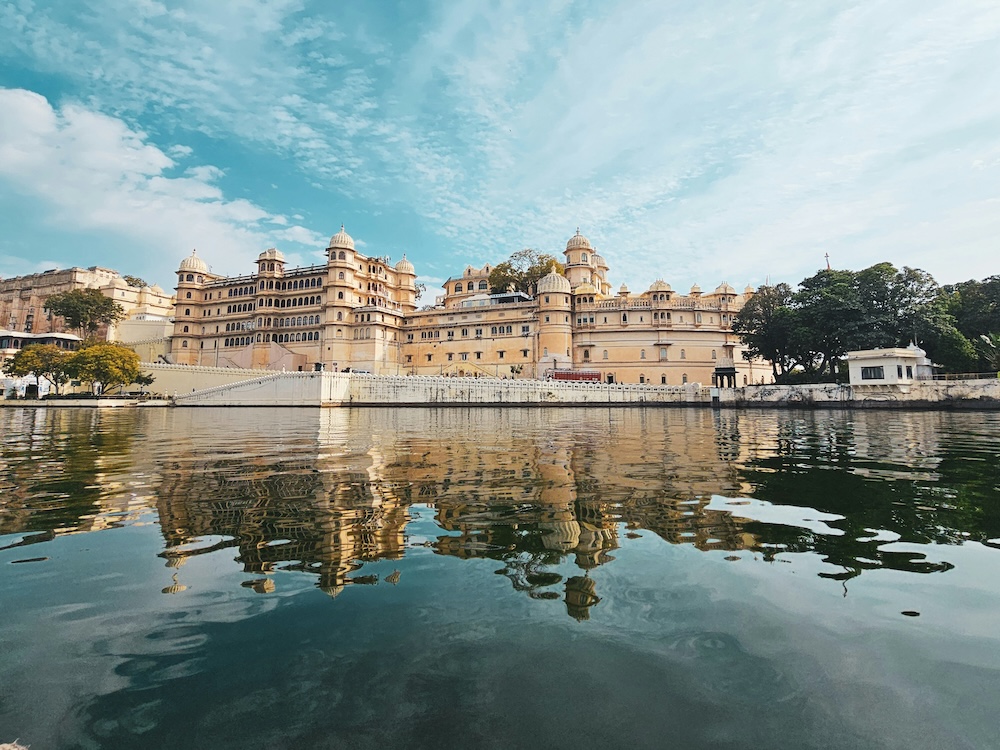
Visit Amber Fort (Amer Fort) in Jaipur — a hilltop palace complex built in golden-yellow sandstone, overlooking a lake.

check

Tour Fatehpur Sikri (City of Victory), the well-preserved abandoned Mughal capital built in the 1570s, on the drive to Agra.

check

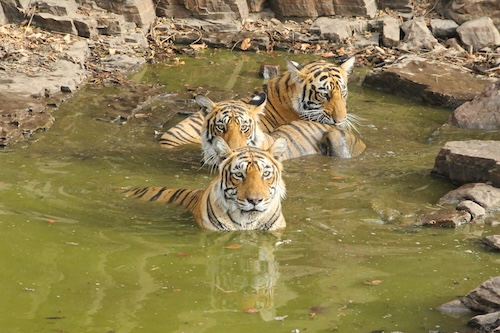
Two guided game drives — one at dawn and one in the late afternoon — inside Ranthambore National Park, one of India's top wildlife reserves.

check

Best chance to spot Bengal tigers, leopards, striped hyenas, sloth bears, sambar deer, and more than 300 bird species in their natural habitat.

check

Safari vehicles are assigned by the Indian Forest Department to ensure fair access across park zones — your guide will explain what to expect in your zone.

check

Navigate Old Delhi's Chandni Chowk (Silver Market Street) bazaar — one of Asia's oldest and busiest street markets.

check

See the Jama Masjid (Friday Mosque), one of the largest mosques in India, and the Lotus Temple (Bahai House of Worship), a petal-shaped architectural marvel open to all faiths.

check

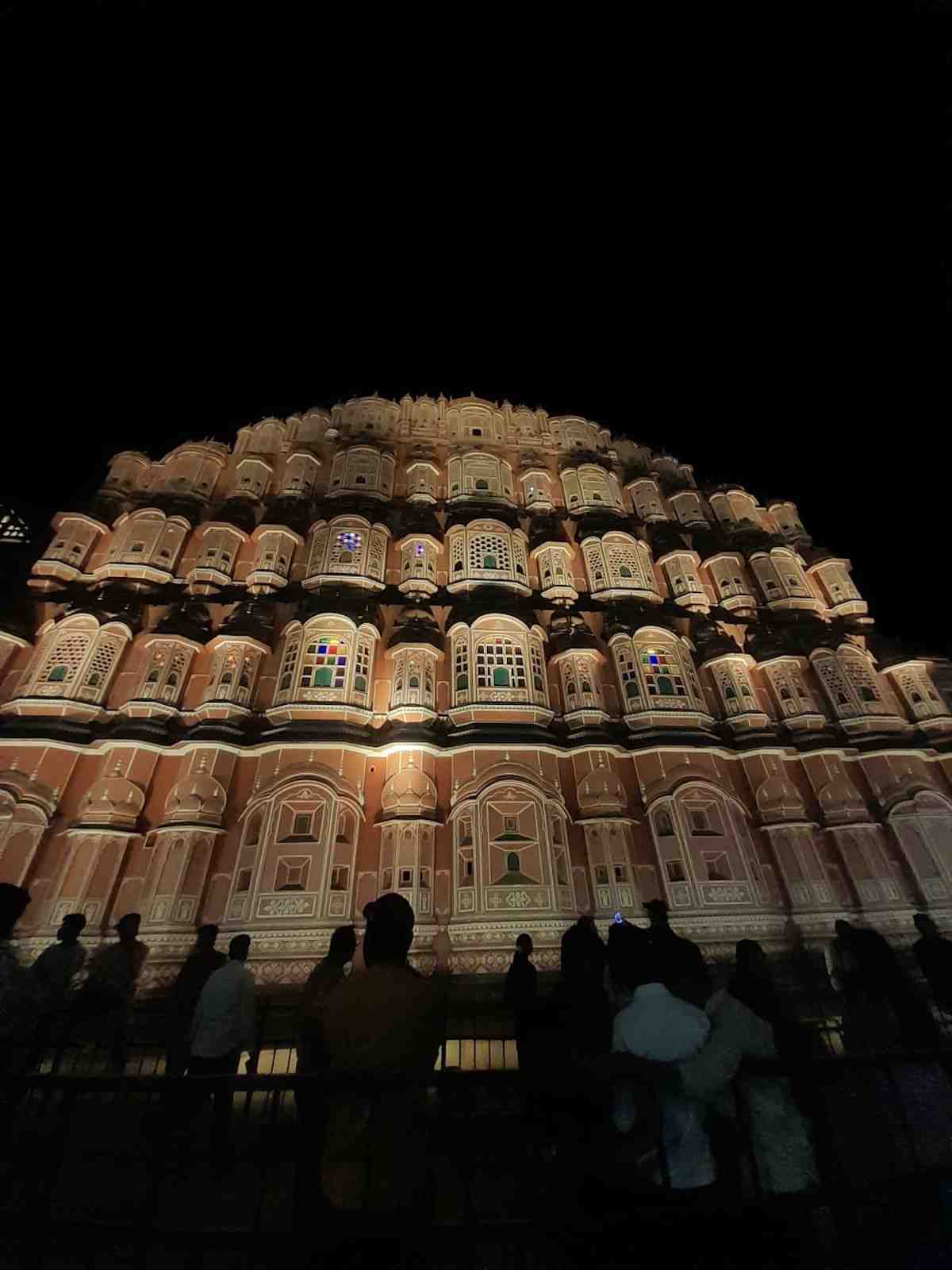
Visit City Palace, Jantar Mantar (Royal Astronomical Observatory), and the Hawa Mahal (Palace of Winds) in Jaipur — the 'Pink City' of Rajasthan.

check

Enjoy a traditional Rajasthani dinner in Jaipur, featuring regional dishes, folk music, and warm local hospitality.

check

Visit a marble inlay artisan center in Agra, where craftsmen use the same centuries-old stone-setting technique used to build the Taj Mahal — a hands-on cultural demonstration, not a sales pitch.

check

See live rug-weaving demonstrations at a heritage center, where artisans hand-knot silk and wool carpets using natural plant-based dyes — an experience suitable for all ages.

check

Browse Jaipur's local markets in the evening for authentic Rajasthani handicrafts, textiles, and gemstone jewelry.

check

Private, air-conditioned vehicle with a professional driver for all road transfers between cities.

check

Daily breakfast included at your hotel; other meals are flexible so you can explore local dining at your own pace.

check

All monument and park entrance fees included — no surprise costs at the gate.

check

24/7 guest support line for any questions, concerns, or changes during your trip.

Golden Triangle with Ranthambore Tour Complete Itinerary

Arrive in New Delhi — Settle In & First Impressions +

Your journey begins the moment you land at Indira Gandhi International Airport in New Delhi, India’s capital. Your driver will meet you in the arrivals hall with a name sign and transfer you directly to your hotel in a private, air-conditioned vehicle. After checking in and freshening up, take a relaxed evening stroll near your hotel or visit nearby landmarks like Humayun’s Tomb (the garden-style mausoleum of the second Mughal Emperor, built in 1570) or India Gate (the 42-meter war memorial arch at the heart of New Delhi). Overnight in New Delhi.


Full-Day Delhi Sightseeing — Old City & New City +

Your guide picks you up after breakfast for a full day covering both Old Delhi and New Delhi. Start in Old Delhi with the Red Fort (Lal Qila)—the grand sandstone fortress that served as the seat of Mughal power for nearly 200 years—followed by the Jama Masjid (Friday Mosque), one of the largest mosques in all of South Asia, which can hold up to 25,000 worshippers. From there, walk or take a cycle rickshaw through Chandni Chowk (Silver Market Street), a centuries-old bazaar famous for its street food, spices, and textiles. In the afternoon, visit Rashtrapati Bhavan (the President’s official residence and former Viceroy’s House, a massive colonial-era building at the end of Rajpath) and the Lotus Temple (a stunning petal-shaped Bahai House of Worship open to people of all religions; no prayers or rituals required). Overnight in New Delhi.

Delhi to Jaipur — Road Transfer & Evening Market Walk +

After breakfast, your driver picks you up for the scenic road journey to Jaipur, the state capital of Rajasthan and a city famously known as the ‘Pink City’ because its old city center was painted terracotta pink in 1876 to welcome the Prince of Wales. The drive passes through the Aravalli Hills and gives you your first glimpse of Rajasthan’s desert landscape. Arrive at your hotel mid-afternoon, check in, and rest. In the evening, your guide will walk you through Jaipur’s famous local markets—perfect for browsing handmade block-print textiles, silver jewelry, and blue pottery, all at your own pace with no pressure. Overnight in Jaipur.

Jaipur City Tour — Palaces, Forts & Royal History +

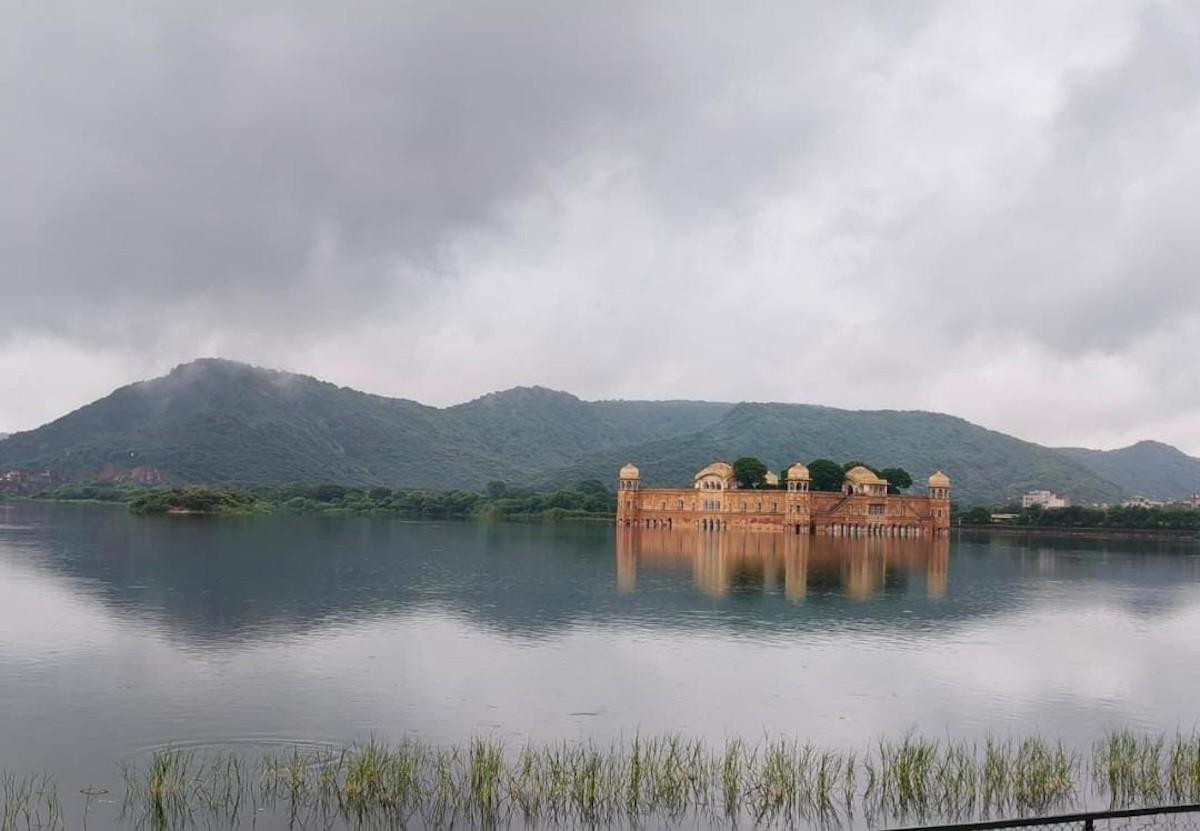
A full day in Jaipur with your guide. Start with Amber Fort (Amer Fort), a dramatic hilltop fortress-palace built from golden sandstone and white marble, set against the Aravalli Hills. Walk through its ornate halls, mirrored rooms, and royal apartments. Then visit City Palace, the royal residence of the Jaipur rulers still partially occupied by the royal family today, with its collection of weapons, textiles, and paintings. Next, see Jantar Mantar, a UNESCO-listed royal astronomical observatory built in 1727 with enormous stone instruments that still accurately measure solar time and predict eclipses. End with a photo stop at the Hawa Mahal (Palace of Winds), the five-story honeycomb-screened facade built in 1799 to let royal women observe street life while staying hidden from public view. In the evening, enjoy a traditional Rajasthani dinner with local dishes like dal baati churma (lentil stew with baked dough balls) and live folk music. Overnight in Jaipur.

Jaipur to Ranthambore National Park — Check In & Afternoon Nature Walk +

After breakfast, your driver takes you south to Ranthambore National Park, one of India’s most celebrated wildlife sanctuaries and home to one of the country’s largest Bengal tiger populations. On arrival, check into your jungle lodge — a comfortable property set on the edge of the forest, where wildlife sometimes walks right past the property boundary. Spend the afternoon at your own pace: Take a gentle walk through the lodge grounds with a naturalist guide, watch birds from the terrace, or simply rest before your first safari. Overnight at the lodge.

Full Day at Ranthambore — Morning & Afternoon Wildlife Safari +

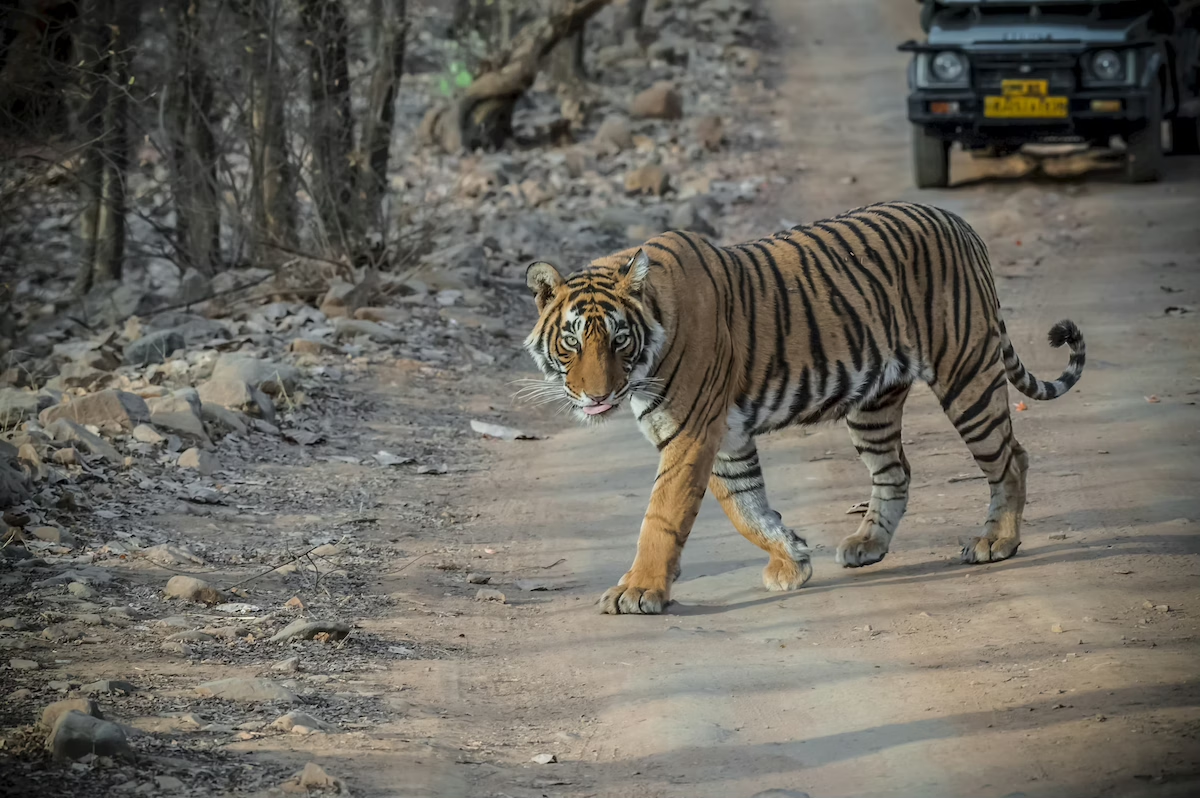
This is the heart of your wildlife experience. Your day includes two guided safaris inside Ranthambore National Park, timed for the best animal activity: one at dawn (approximately 6:00–10:00 AM) and one in the late afternoon (approximately 3:00–6:30 PM). Safari vehicles — either 6-seat open jeeps or 20-seat canters (elevated open-air buses with excellent photography height) — are assigned by the Indian Forest Department. Your guide will tell you which zone you have been assigned to; zones 1–5 are the core tiger territory, while zones 6–10 cover beautiful buffer forest with equally diverse wildlife. Between the two safaris, enjoy lunch at the lodge, and ask your naturalist guide about what you saw. The park is home to Bengal tigers, leopards, striped hyenas, sloth bears, crocodiles, sambar deer, and over 300 bird species. Overnight at the lodge.

Ranthambore to Agra via Fatehpur Sikri — History on the Road +

After your morning safari, your driver picks you up and heads north toward Agra. On the way, you will stop at Fatehpur Sikri (City of Victory), a UNESCO World Heritage Site that served as the Mughal capital under Emperor Akbar from 1571 to 1585 before being abandoned due to water shortages. The site is one of India’s best-preserved Mughal cities, with red sandstone palaces, courtyards, and the Buland Darwaza (Gate of Magnificence)—a 54-meter triumphal arch that is one of the tallest gateways in the world. Continue to Agra, check into your hotel, and rest. Overnight in Agra.

Agra Sightseeing — The Taj Mahal at Sunrise & City Monuments +

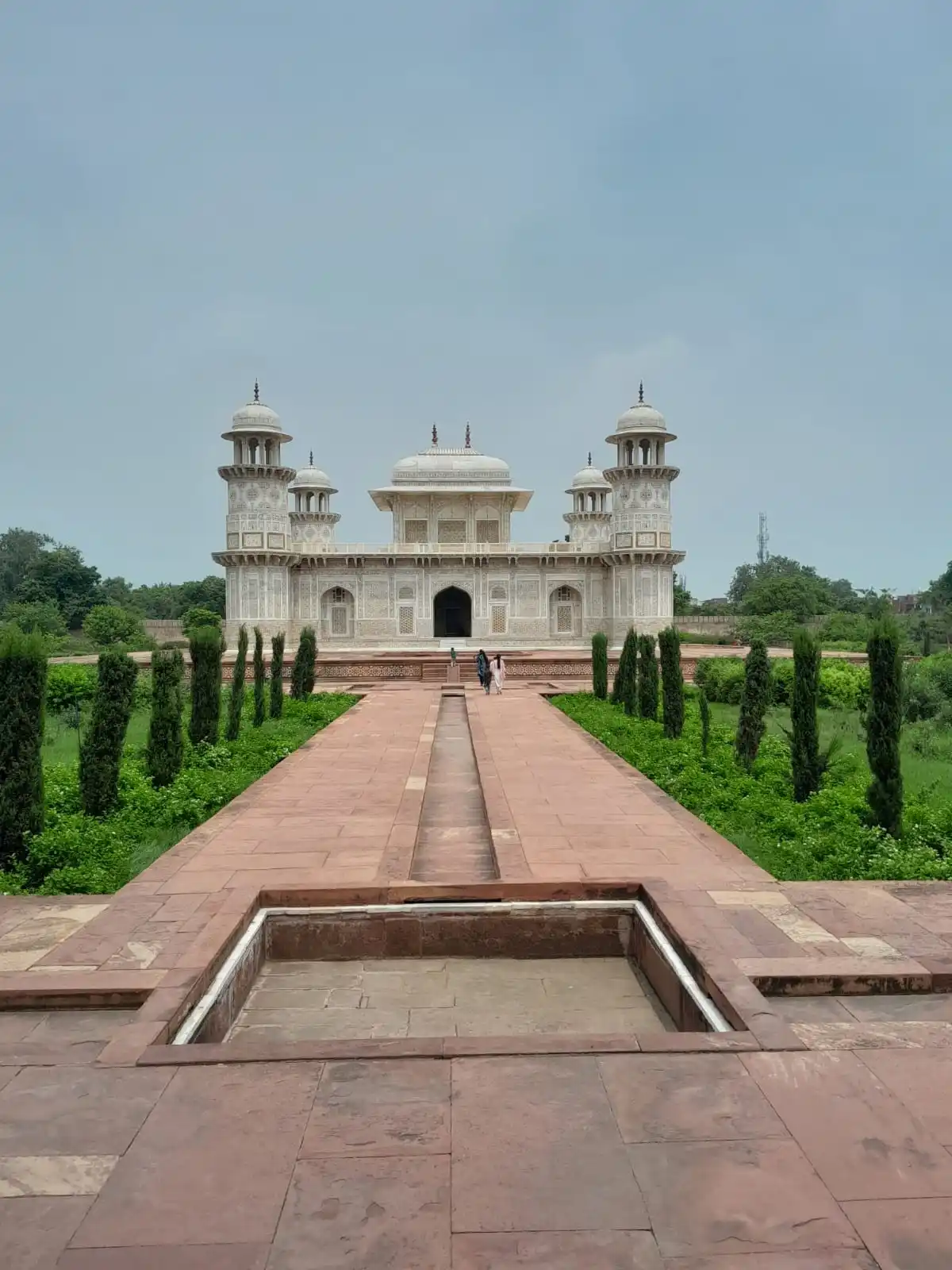
Your guide picks you up before sunrise for the most anticipated moment of the trip: the Taj Mahal at dawn. Commissioned by Mughal Emperor Shah Jahan in 1632 as a monument to his wife Mumtaz Mahal, the white marble mausoleum took 22 years to build and required over 20,000 craftsmen. The cool morning light and soft colors make this the best time to photograph and experience it. After the Taj Mahal, have breakfast and then visit Agra Fort (also called Agra Red Fort), a UNESCO-listed riverside fortress that served as the main Mughal residence until 1638. Next, see the Tomb of Itmad-ud-Daulah (Baby Taj), a smaller mausoleum often called the ‘draft’ or ‘jewel box’ for the Taj Mahal, noted for its delicate marble lattice screens and inlaid precious stone patterns. In the evening, visit Mehtab Bagh (Moonlight Garden), a formal garden across the Yamuna River that offers a stunning panoramic view of the Taj Mahal reflected in the river at dusk. Overnight in Agra.

Agra to New Delhi — Return Journey & Free Evening +

After breakfast, your driver takes you back to New Delhi on the Yamuna Expressway. On arrival, check into your hotel and enjoy a completely free afternoon and evening. Use the time to shop for last-minute souvenirs in Connaught Place (the circular colonial-era commercial district at the center of New Delhi), explore a local restaurant for dinner, or simply relax at the hotel before your departure. Overnight in New Delhi.

Departure from New Delhi — Transfer to Airport +

Your journey ends this morning. Depending on your flight time, enjoy a final breakfast at the hotel. Your driver will transfer you to Indira Gandhi International Airport in plenty of time for your departure. We recommend arriving at the airport at least 3 hours before an international flight. Safe travels — and we hope to welcome you back to India soon.


Book Tour

TOUR BOOKING FORM

Inclusions

check

3- or 4-star hotel accommodation

check

Two animal safaris in Ranthambore National Park.

check

Daily breakfast at the hotel.

check

Air-conditioned transportation throughout the tour.

check

An English-speaking tour guide.

check

All park and monument admission costs Prices include

check

Travel, both domestic and international

Exclusions

check

Personal expenses such as laundry, drinks, and tips

check

Any extra-curricular activities or events

Related Tours

What our customers say

Frequantly Asked Questions Releted To Golden Triangle with Ranthambore Tour

Will I definitely see a tiger at Ranthambore? +

Ranthambore has one of the highest tiger densities of any Indian national park, which makes it one of the best places in the world to see tigers in the wild. That said, this is a 1,334-square-kilometer (515 sq mi) natural forest, not a zoo—sightings depend on the animals’ natural movements. Our experienced naturalist guides know the terrain deeply and position vehicles in the best locations based on fresh tracks and sightings. Even on visits without a tiger sighting, guests regularly spot leopards, sloth bears, crocodiles, hundreds of bird species, and the dramatic 10th-century Ranthambore Fort (Ranthambore Kila) rising from the jungle—making every drive genuinely rewarding.

Will I be in a private jeep or a shared vehicle for the safari? +

Safari vehicles inside Ranthambore are of two types: open 6-seat jeeps (gypsys) or 20-seat open canters, both operated under Indian Forest Department rules. Jeep slots are highly popular and book up 90 days in advance — we always request jeeps for our guests first. If jeep slots are unavailable for your dates, we book a canter, which actually sits higher off the ground and can be excellent for wildlife photography. Whichever vehicle you are assigned, your guide will be with you throughout. The private air-conditioned car your group uses for all inter-city transfers is always exclusively yours.

Which zones in the park will we be in — does it matter? +

Ranthambore is divided into numbered zones, with zones 1–5 being the ‘core’ tiger habitat and zones 6–10 covering the buffer forest. Zone assignments are made by the Indian Forest Department through a lottery system — neither we nor any agency can guarantee a specific zone. We will tell you your zone assignment as soon as we receive it (typically 48 hours before your safari). All zones have been successful for tiger sightings, and the buffer zones often offer quieter, more intimate experiences with fewer vehicles.

What should I wear and bring on safari? +

Wear neutral colors (khaki, olive, beige, and brown)—avoid bright white or red, which can startle wildlife. Bring a light jacket or fleece for early morning drives, sunscreen, sunglasses, a hat, and your camera or phone. Binoculars are a great addition if you have them. Water is provided at the lodge; your guide carries a first-aid kit. No perfume or strong scents, please.

How much time is spent in the car each day — will the itinerary feel rushed? +

The longest driving day is Day 7 (Ranthambore to Agra with a sightseeing stop at Fatehpur Sikri), at approximately 6 hours, including the stop. Most other days involve 3–5 hours of road travel or city-only touring with no highway driving. To help you plan: Day 1 = ~45 min from airport; Day 3 = ~5 hrs Delhi to Jaipur; Day 5 = ~3 hrs Jaipur to Ranthambore; Day 7 = ~6 hrs with a Fatehpur Sikri stop; Day 9 = ~4 hrs from Agra to Delhi. We schedule artisan center visits in the early afternoon to give you a comfortable, air-conditioned break during peak heat hours—helping you avoid both the midday sun and traffic at major monuments.

Is this tour suitable for senior travelers or people with mobility limitations? +

Yes, absolutely. We customize the pace for every guest. At sites like Amber Fort and the Taj Mahal, golf cart or jeep transfers are available to reduce stair climbing and walking distance—just let us know in advance and we will arrange it. Our artisan center visits are specifically chosen because they offer step-free access, air conditioning, clean Western-style restrooms, and comfortable seating—a genuine rest stop between sightseeing. If you have specific mobility, dietary, or medical needs, tell us before departure, and we will plan accordingly.

Is the trip suitable for families with children? +

Yes, children typically love the safari, the forts, and the hands-on artisan demonstrations. Our vehicle is stocked with snacks and can be paused for breaks whenever needed. The rug-weaving artisan visit is especially popular with kids, who enjoy watching the ‘magic knots’ and seeing how natural colors are made from flowers and plants. Let us know your children’s ages, and we will tailor the guide’s explanations to be engaging for them.

Is there Wi-Fi in the vehicle and at the hotels? +

All 4- and 5-star hotels on this itinerary offer complimentary Wi-Fi in rooms and common areas. The private vehicle does not have onboard Wi-Fi, but your driver can advise on local SIM card options for mobile data if you want connectivity on the road. We recommend purchasing an Indian SIM card at Delhi Airport (Airtel or Jio) on arrival—it is inexpensive and works throughout the route.

Are all entrance fees and camera fees really included — no hidden costs? +

Yes. All monument and park entrance fees are included in your package price, including the Taj Mahal, Red Fort, Amber Fort, Qutub Minar, Fatehpur Sikri, Ranthambore safari fees, and all others on the itinerary. Camera and photography fees for your personal camera or phone are also included. The only small, customary cost you may encounter is a ‘shoe-minder’ tip (usually less than $1 USD) at temples where you remove your footwear — this is not mandatory.

What currency should I carry, and are credit cards widely accepted? +

The currency of India is the Indian Rupee (INR). Major hotels, restaurants, and artisan centers accept international credit cards (Visa and Mastercard are most widely accepted). We recommend carrying some rupees in cash for small purchases, tips, and local markets. Currency exchange counters are available at Delhi Airport on arrival, and ATMs are easily found in all cities on the route.

Is tipping expected for guides and drivers? +

Tipping is entirely at your discretion — it is never mandatory or expected as part of our service. If your guide or driver delivers outstanding service — which we aim for on every trip — a tip is a warm and appreciated gesture. As a general benchmark, many international guests tip guides approximately $10–$15 USD per day and drivers $5–$10 USD per day, though any amount is appreciated.

Is India safe for solo female travelers? +

Yes, and we take specific steps to make sure every female guest feels secure and comfortable throughout the trip. All our drivers are professionally vetted with background verification. We provide you with your driver’s name, photo, vehicle registration, and a 24/7 WhatsApp contact for our guest relations team — including a female manager — 24 hours before your arrival. During city tours, your guide stays with you at all times. The artisan centers we visit are private, secure, air-conditioned environments — a calm contrast to the busy streets, with no unsolicited attention.

What food precautions should I take to avoid stomach issues? +

Stick to bottled or filtered water throughout the trip — your guide will advise on this at each stop. Avoid ice in drinks unless you are at a high-quality hotel. The hotels on this itinerary all maintain international hygiene standards, and the restaurants your guide recommends are chosen for their food safety record. If you have dietary restrictions — vegetarian, vegan, gluten-free, or allergies — tell us in advance and we will inform every hotel and restaurant on the route.

What is the best time of year to visit? +

October through March is the peak season and the most comfortable time to travel — daytime temperatures range from 60°F to 80°F (15°C to 27°C), evenings are cool, and the air is clear. February (ideal for business travelers combining leisure) and November–December (popular with leisure travelers) are especially pleasant. The Ranthambore safari season runs from October to June, with the best tiger sighting odds in March and April when animals gather around water sources. Monsoon season (July–September) is lush and green but some park zones close temporarily.

Why does the itinerary include visits to marble and rug artisan workshops? +

These visits are a genuine cultural highlight of the trip, not commercial stops. The marble inlay artisan center in Agra carries on the exact same stone-setting technique used to build the Taj Mahal — craftsmen from these families have preserved this Mughal-era art for over 400 years. Seeing the inlay work up close, after visiting the Taj Mahal itself, gives the monument an entirely new level of meaning. Similarly, the rug-weaving center shows how hand-knotted silk and wool carpets are made using organic, plant-based dyes — a process that takes months per piece. These are educational visits; you are under absolutely no obligation to purchase anything.

Are these artisan visits mandatory, or can I skip them? +

Our policy is ‘education first’—you are always welcome to tell your driver or guide if you prefer to skip a particular visit, and we will adjust accordingly. That said, most guests find these demonstrations to be one of the most memorable parts of the trip, particularly the Agra marble workshop, which is a direct link to the craft behind the Taj Mahal. If you decide to visit and see something you love, the artisans are happy to discuss their work and purchases—if you choose to make one—and support the continuation of traditional craftsmanship.

Are the artisan centers government-recognized and legitimate? +

Yes. We only partner with centers that are officially recognized by the Indian government’s export promotion programs for handicrafts and have been producing and demonstrating their craft for generations. The quality of the work — from the precision of marble inlay to the tightness of hand-knotted silk weaves — is verifiable and distinct from mass-produced street items. Your guide is happy to explain the differences so you can make an informed judgment.

Can this tour be customized for a shorter or longer stay? +

Yes. The 10-day itinerary is our most popular format, but we regularly customize it for guests who have 5–7 days available (a focused Golden Triangle without Ranthambore, or Ranthambore plus Agra). For business travelers combining a Delhi conference with leisure, we can build a 3-day Agra and Ranthambore extension that fits around your schedule. Contact us with your arrival and departure dates, and we will build a custom itinerary.

What happens if my flight is delayed on Day 1? +

Your driver monitors your flight in real time and adjusts pickup timing accordingly. There is no penalty for flight delays—your driver will be at the airport when you land. If a delay significantly impacts Day 1 or Day 2, we will adjust the following day’s itinerary so you do not miss any planned experiences.

Do I need an India visa, and how do I get one? +

Yes—US, UK, German, Spanish, and most Western citizens require a visa to enter India. The simplest option is the India e-Visa (electronic visa), which is applied for online at indianvisaonline.gov.in. Processing typically takes 3–5 business days. Apply at least 2 weeks before travel to be safe. We are happy to guide you through the requirements, though visa fees and processing are handled directly by you.

Guide Popup Form